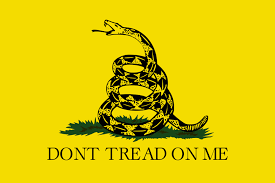
2'X3' GADSDEN
๐๐๐ฌ๐๐ซ๐ข๐ฉ๐ญ๐ข๐จ๐ง:
๐'๐ฑ๐' ๐๐๐๐ฌ๐๐๐ง
Our Gadsden flags are proudly made in the United States , a lightweight fabric that flies regally, even in gentle breezes. The iconic rattlesnake emblem and text are digitally printed for intricate details and bold, vibrant colors. The Gadsden flag has a durable canvas header and brass grommets for simple mounting on any standard outdoor flagpole. This Gadsden flag is available in a ๐'๐ฑ๐' ๐๐๐๐ฌ๐๐๐ง size.
The original Gadsden flag, both a comic illustration and a serious philosophy, is instantly recognizable as one of America's oldest and most patriotic symbols. Since its inception in 1775 during the American Revolution, it has become one of the most famous flags in American history. Indeed, the flag's central image, the timber rattlesnake, is now as synonymous with American liberty as the bald eagle or the Springfield rifle.
Though Don't Tread on Me flags can be found flying from doorways and front yards across the nation these days, their origin story is far less visible. Despite this, it remains one of the most fascinating in revolutionary history.
Gadsden Flag Meaning & History As with certain other uncharted colonies of the British Empire, Britain in the 1750s had a bad habit of shipping convicted felons to the United States. Benjamin Franklin didn't appreciate this, and in response, he proposed sending timber rattlesnakes to Britain in return. This humorous idea quickly picked up steam during the American Revolution as the colonies began forming a national identity.
In 1754, Benjamin Franklin published a political cartoon representing the 13 colonies as different parts of a rattlesnake, encouraging unity and shared purpose. The rattlesnake soon became a symbol of freedom and resistance to British rule and of the colonies themselves.
A year later, Brigadier General Christopher Gadsden created a flag depicting a rattlesnake above the text "๐๐๐๐ ๐๐๐๐๐ ๐๐ ๐๐ ," warning the British not to provoke the colonies. The flag was given as a gift to commander in chief Esek Hopkins, who flew it from the Continental Navy's flagship.
๐๐ฅ๐๐๐ฌ๐ ๐ง๐จ๐ญ๐: ๐๐'๐ซ๐ ๐ฉ๐จ๐ฅ๐ข๐ญ๐ข๐๐๐ฅ๐ฅ๐ฒ ๐ง๐๐ฎ๐ญ๐ซ๐๐ฅ; ๐ฐ๐ ๐๐จ๐ง'๐ญ ๐๐ง๐๐จ๐ซ๐ฌ๐ ๐๐ง๐ฒ ๐ฉ๐๐ซ๐ญ๐ฒ ๐จ๐ซ ๐๐ฌ๐ฌ๐จ๐๐ข๐๐ญ๐ข๐จ๐ง.