The great majority of national flags are in the same style: stripes, stars, or mere symbols on a rectangular ground. But here and there throughout the world are flags which break the mould in the most remarkable manner. Whether through unusual flag design principles, remarkable flag symbolism and meaning, or historical flag origins that stretch back centuries, these banners tell stories no textbook can fully capture. The world of bizarre national flags designs is full of significance and shock, starting with flags of pacific island nations with flying birds and flags with weapons of war.
While every flag is distinct, some designs truly stand out. This article will discuss some of the most vivid examples of flags globally, and what makes each flag really one of a kind.
 Nepal:
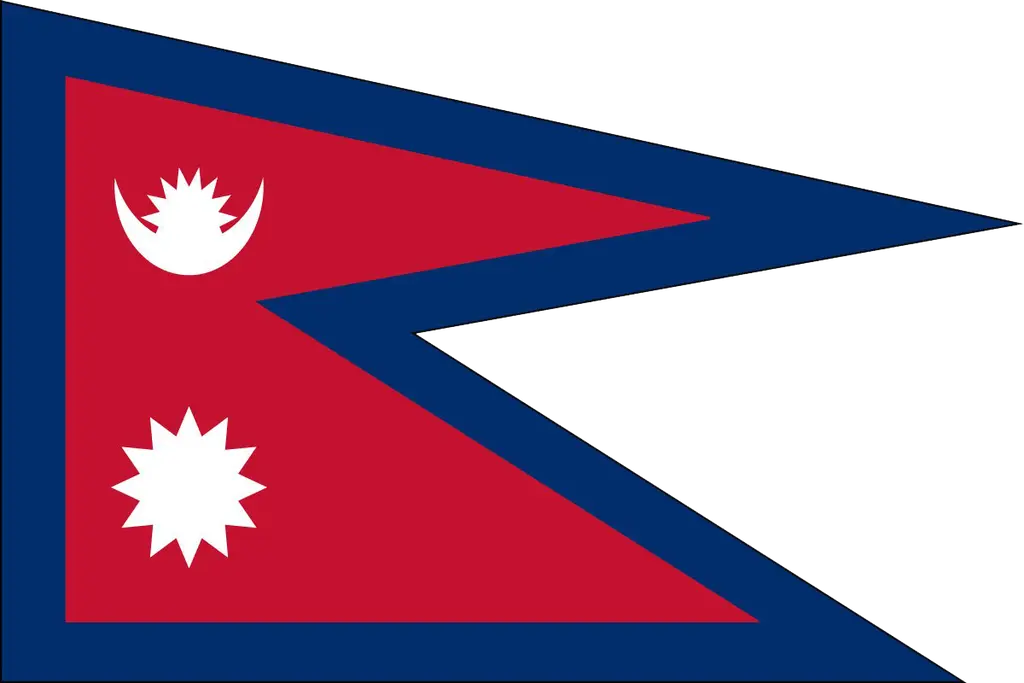
Nepal is the only country in possession of the non-rectangular flag as a nation. Instead of the normal rectangle, the flag of Nepal is a shape of a double-pennant, piled up vertically with a blue outline, the colour of peace, and a deep crimson red background that symbolizes the rhododendron, the national flower. The flag has white crescent moon and twelve-pointed sun symbols at its core which are the royal house and the fierce resolve of the country. The marvelous design is a prime example of how the symbolism of flag colours and a rejection of the conventional principles of flag design can lead to an instantly recognizable design. The flag was adopted officially in 1962 and has continued to form a symbol of national identity and heraldry.
 Bhutan:
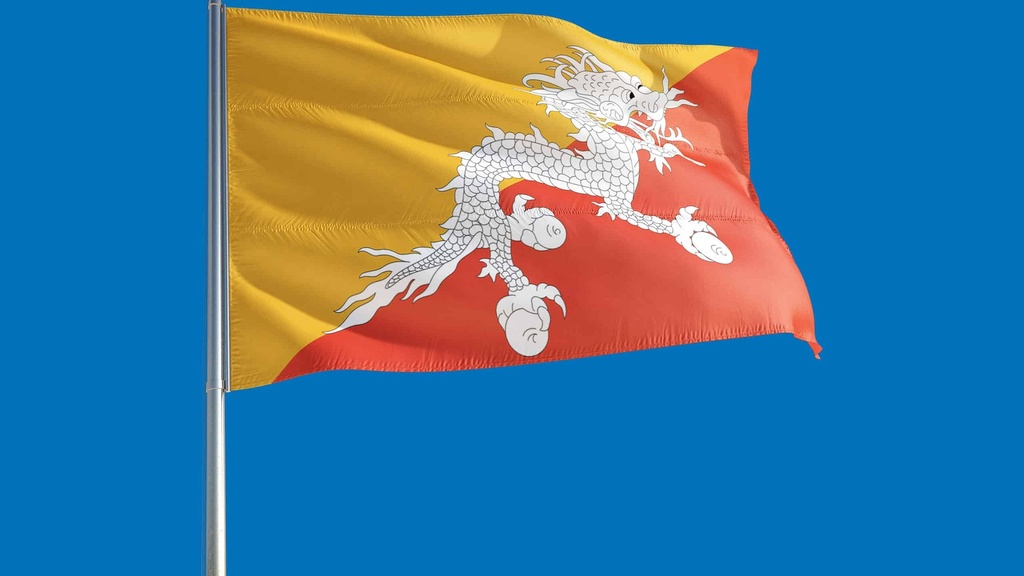
The flag of Bhutan is regarded as one of the most remarkable flags on the planet that have animals or creatures on them. Its design is of the Druk, which is a Bhutanese mythological creature, a thunder dragon, holding jewels in his claws. The Druk is a sign of good fortune, power, and even the name of the country whose meaning is Land of the Thunder Dragon. The two background colours of the flags are heavily symbolic on flag colour: the yellow half is a symbol of the power of the civil government, and the orange half is a symbolism of the Buddhist tradition, which rules the spiritual life. The white dragon in itself is a good omen of innocence and fidelity.
As a piece of unusual national flag design, Bhutan's Flag is both visually impressive and has a multifaceted historical background of flags that have been centuries-old traditions.
 Mozambique:
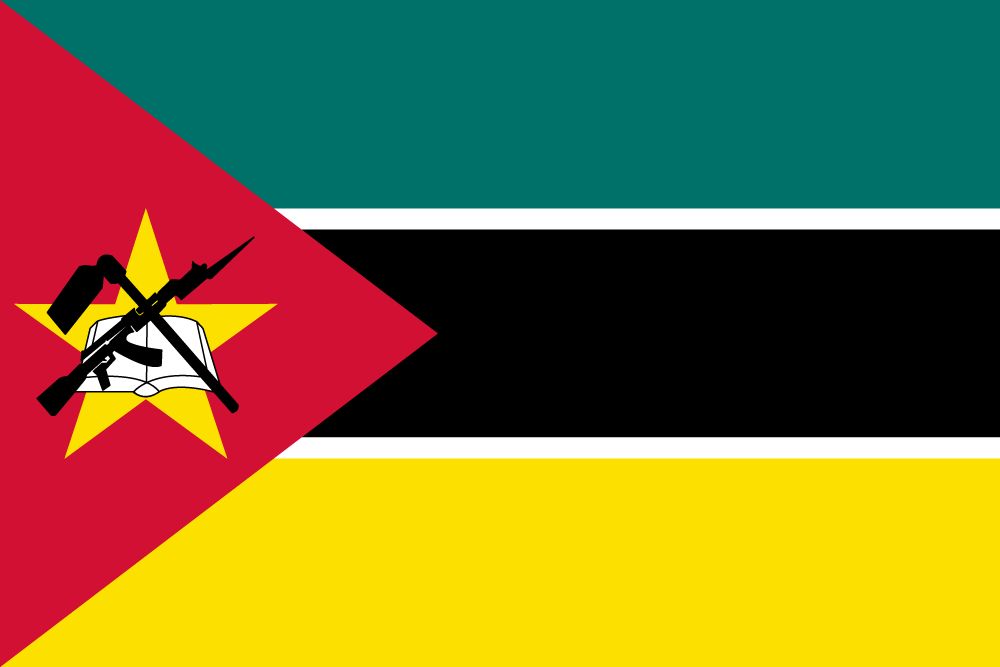
When it comes to a flag that leads to a fast conversation, then the flag of Mozambique is the best, there could not be any flag in the world that is more discussable. It is the only national flag to have a modern assault rifle or AK-47, and this makes it one of the most renowned references of flags with weapons or tools.
The flag, which was adopted on May 1, 1983, is a tricolor of green representing agriculture, black representing the African heritage and yellow, representing the mineral wealth of the country. There is a red triangle on the left denoting the fight against independence. The AK-47 has been superimposed on a farming hoe in that triangle and crossed with an open book, all symbolizing the three pillars of revolution, defence, agriculture, and education. Whether it comes to flag elements which are both bizarre and political as well as historical, few designs in the world bear such a weight of the political and historical significance.
Kirabati:
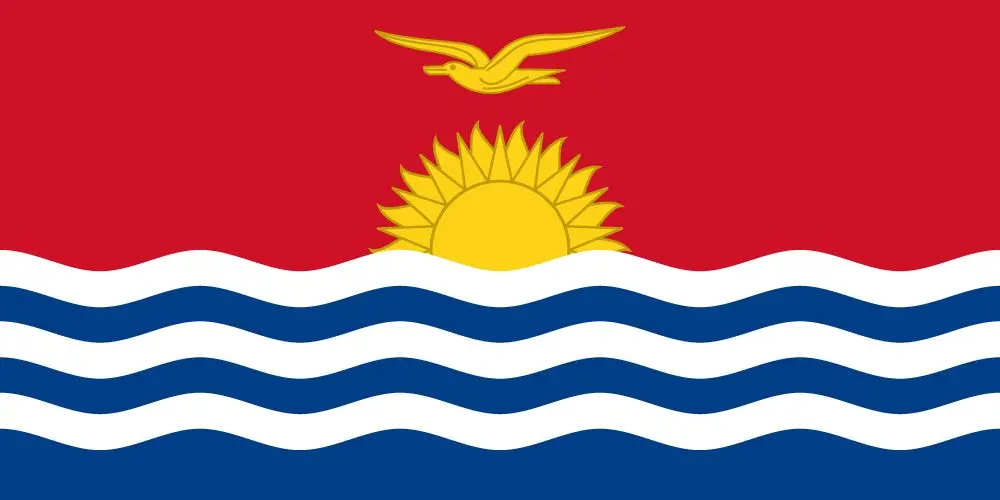
Kiribati Among the flags of the Pacific islands countries, the flag of Kiribati is striking and poetic in its coloring. The flag depicts a golden frigate bird flying on a rising sun and a blue and white sky. The bird is a famous example of flags depicting moving animals or creatures as the frigate is known to fly long distances without landing, representing the dreams of the Kiribati people. The rising sun symbolizes how the country is one of the first to meet every new day in the world and the alternating blue and white stripes depict the ocean and the sky. This geographical and natural combination of symbolism and meaning of flags gives Kiribati one of the most carefully considered flags of all the small island states.
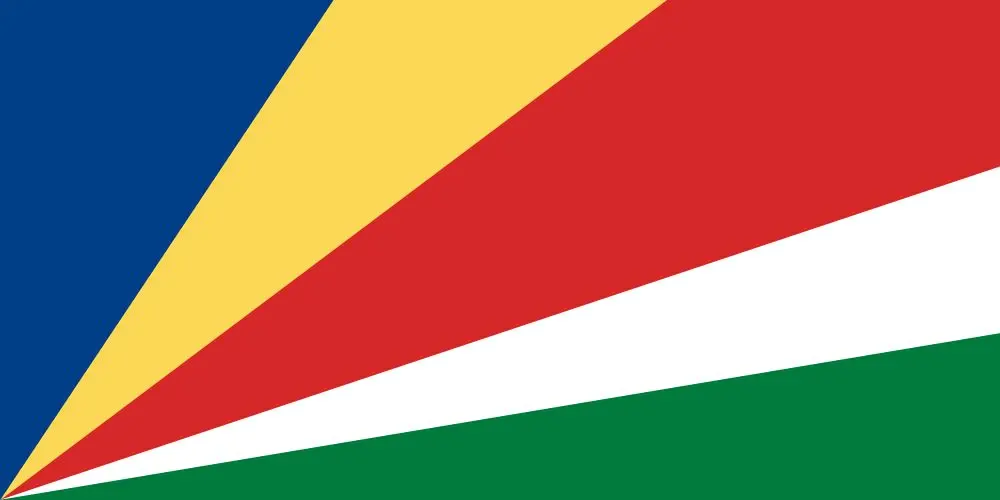 Seychelles:
One of the most stunning examples of odd national flag design in the world is the flag of Seychelles. There are five bands of blue, yellow, red, white and green radiating outward around the bottom left corner forming a sunburst effect that is seen few times in any other tricolor flag or national banner design. Every colour has a symbolism of flag colour, blue symbolizing the sea and heaven, yellow representing the sun and new life, red representing the determination of people, white symbolizing social justice, and green symbolizing that of land. Such a radiating pattern makes the flag look dynamic and active, which perfectly reflects the spirit of an island nation achieving independence in 1976. It is a masterpiece of nationality and heraldry, and is immediately recognisable both at a distance.
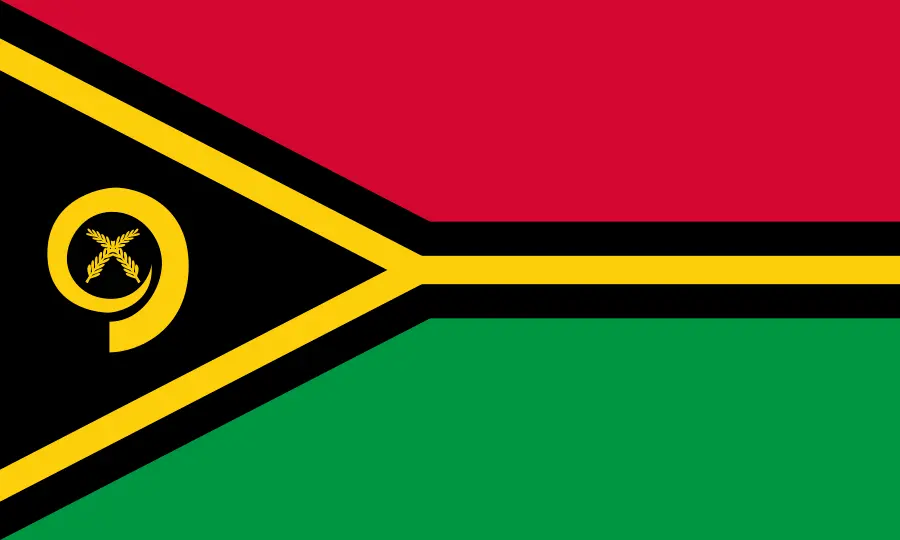 Vanuatu:
An excellent example of a flag with unusual shapes or symbols that are based on indigenous culture is the flag of Vanuatu, which was adopted in 1980 and which is a remarkable study in itself. It features in the centre a tusk of a boar, a conventional sign of wealth and status in Vanuatu, surrounded by two crossed fern fronds, which symbolize the rich nature. The red and green horizontal stripes interrupted by a thin yellow line on the black base makes the flag look bold and solid. The yellow also takes the shape of Y, in reference to the geography of the island chain. This flag was created by a local artist Kalontas Malon and it addresses the dedication of the country to its cultural heritage and acknowledging independence. It is a declaration of pride and how symbolism and meaning of the flag can be pegged on community and tradition.
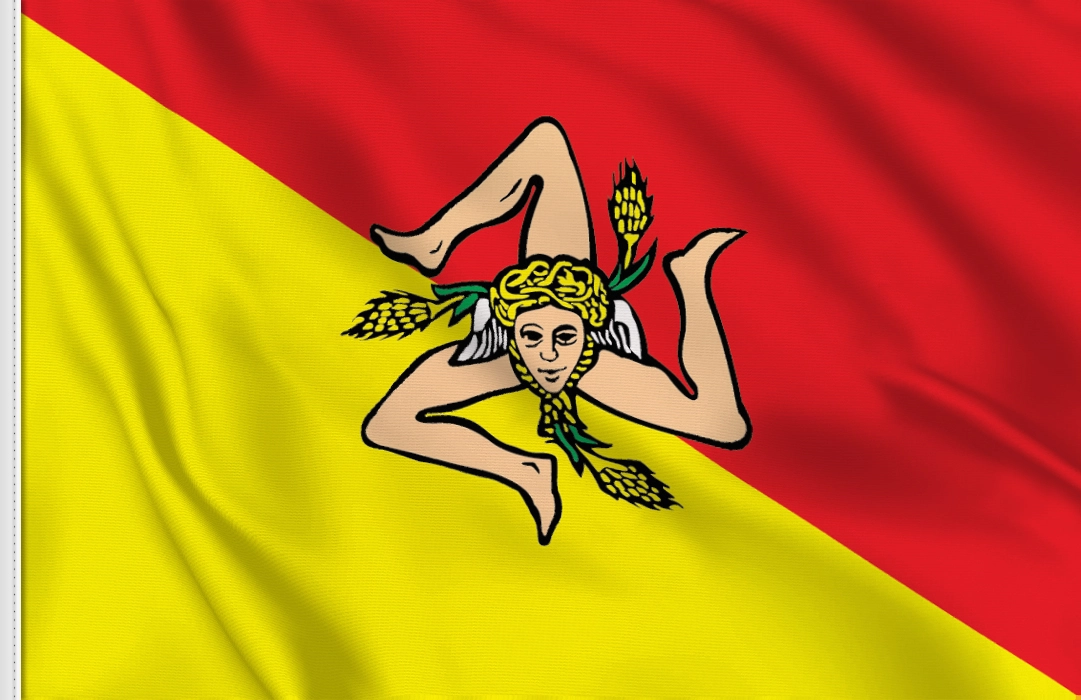 Sicily:
The regional flag of Sicily is also among the oldest and most unique in the entire Europe, and one of the brightest examples of flags with unusual forms or symbols which are traced to the ancient myths. The flag has the triskelion, which is a graphic of three curved legs with a head placed at its center having wings and snakes. The three legs symbolize the three capes of the triangular island and the Medusa-like head in the middle is linked to Greek mythology and the beginning of national identity and heraldry. The flag originated in a rebellion in Sicily in 1282 during the Sicilian Vespers rebellion and is thought to be older than the triskelion design on the Isle of Man. It has a history of more than 700 years of its origins as a flag and it is a vivid emblem that has connected the ancient symbolism with the present day pride of the region.
Why Unique Flags Matter?
Unique flags are not just decoration designs. They act as stories in pictures that form the identity, culture and historical path of a nation. The non-rectangular national flag of Nepal, the striking symbols of Mozambique and the mythical dragon of Bhutan are just but a few examples of how design can be used to tell a strong national story.
They carry a lot of history, conflict, hope and identity. The time you see a flag take a closer look, there is usually a story behind it. All flags are, like living documents with centuries of meaning in every thread.
At Baldwin Flags, we celebrate the history and meaning behind flags from around the world. Visit our International flag today to find the perfect flag to represent your heritage.
The World's Most Unique Flags: Bizarre, Beautiful, and Bold