During the election campaigns flags are everywhere, on rallies and posters, on social media and television. They do not just make spaces pretty. Flags remind people about shared values and duties in a democracy. Political scientists believe that the presence of flags can encourage more people to identify themselves with their nation and engage in voting. Political messages are also understood easier when flags are used because voters find it easier to associate candidates or parties with certain ideas such as patriotism, fairness, and civic duty.
Flags as Political Communication Tool
Flags have a crucial role in political communications since it can be used to demonstrate concepts such as unity, national pride, and party loyalty without words. They are utilized everywhere during an election to give the voters a sense of belongingness to the campaign and the nation.
Enhancing Voter Awareness Through Symbols
Political campaigns use flags to attract attention and be recalled by the voters. Studies indicate that exposure to flags may produce awareness and positive attitude toward candidates or parties as a result of repeated exposure. People can feel that the candidate shares their values when they frequently encounter their flags and this may affect their voting.
Flags in Media and Public Spaces
Flags appear everywhere during elections—from newspapers and TV to social media and streets. They are placed at polling stations, rallies, and community events to remind people about their responsibility to vote.
The Effect of Flags on Voter Behavior
Flags have the power to influence the way individuals behave and feel during elections. The sight of a flag can make an individual feel proud, responsible and attached to their nation. These feelings may have an impact on their thoughts about the candidates and their voting intentions.
Psychological Impact on Decision-Making
Flags operate psychologically as they associate parties or candidates with national values. Voters may trust the candidate more and develop the feeling of obligation to vote when they see a flag. The reason is that individuals would want to vote in favor of candidates who identify with its group and collective value.
Flags, elections, and historical case studies
Flags have influenced elections for decades. For example, in the 1960 U.S. presidential election, candidates used American flags in debates and rallies to show patriotism and unity. In Europe, political parties have used regional and national flags to show their connection to the people and encourage voter support. These examples show how flags can affect public perception and voting decisions.
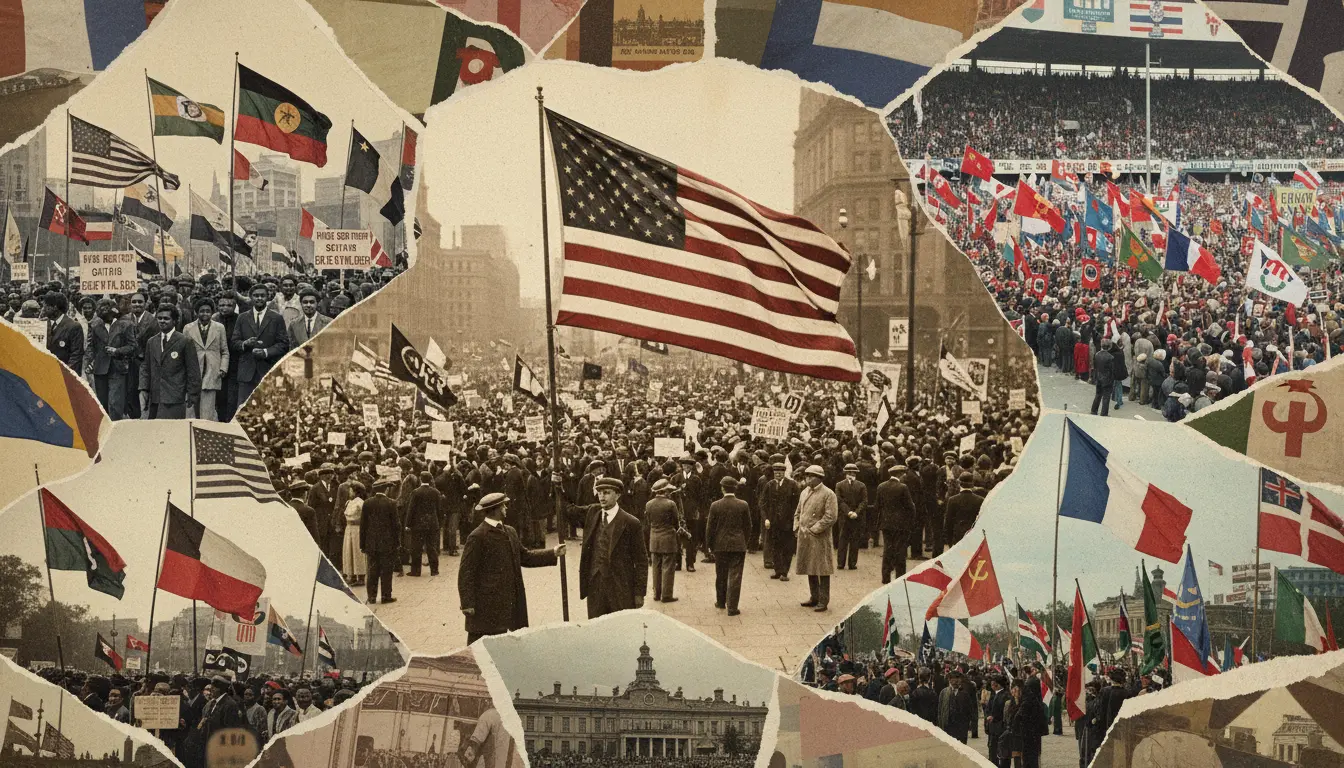
Flags and Civic Identity: Creating Sense of Belonging
Flags make people feel as a part of a community. When citizens associate themselves with a flag, they believe in the democratic process. Studies indicate that individuals that associate themselves with national symbols have higher chances of voting, volunteering, and other civic activities. Flags can be used to establish a feeling of responsibility and pride, which reinforce democracy.
Strategies for Using Flags to Boost Voter Engagement
Modern campaigns use flags across social media, posters, websites, and rallies to engage voters. The key is using flags in a real, consistent way that connects with people’s values. Campaigns that combine flags with messages about civic duty and national pride can motivate more people to vote, especially young voters and first-time participants.
Flags are not mere decoration. They are the instruments that have the capability of uniting citizens with their nation, motivating citizens to vote, and making individuals participate in democracy. Through the appropriate use of flags, it is possible to engage more people in the campaign, build national identity, and remind voters that their vote is important.
Flags may catch the eye during election season, but democracy depends on what follows. When citizens move beyond symbolism and translate shared identity into action, voting becomes more than a routine—it becomes a responsibility. In this way, flags serve not as the voice of democracy, but as its reminder.
Banners of Democracy: How Flags Inspire Voters During Election Season