Winter is considered as one of the harshest seasons for everything especially the flags that are flown outdoors. The cold weather, winter storms, frost and moisture can easily wear down the fabric, hardware, and even the flagpole itself if not taken care properly. Whether flying the national flag, a seasonal decorative banner or a state flag, a little preparation goes a long way in securing the flag for winter while maintaining an appearance of longevity and respect.
This guide breaks down practical ways to protect your flag in winter while keeping it looking respectful and long-lasting.
Inspect Your Flag and Hardware Before the Cold Arrives
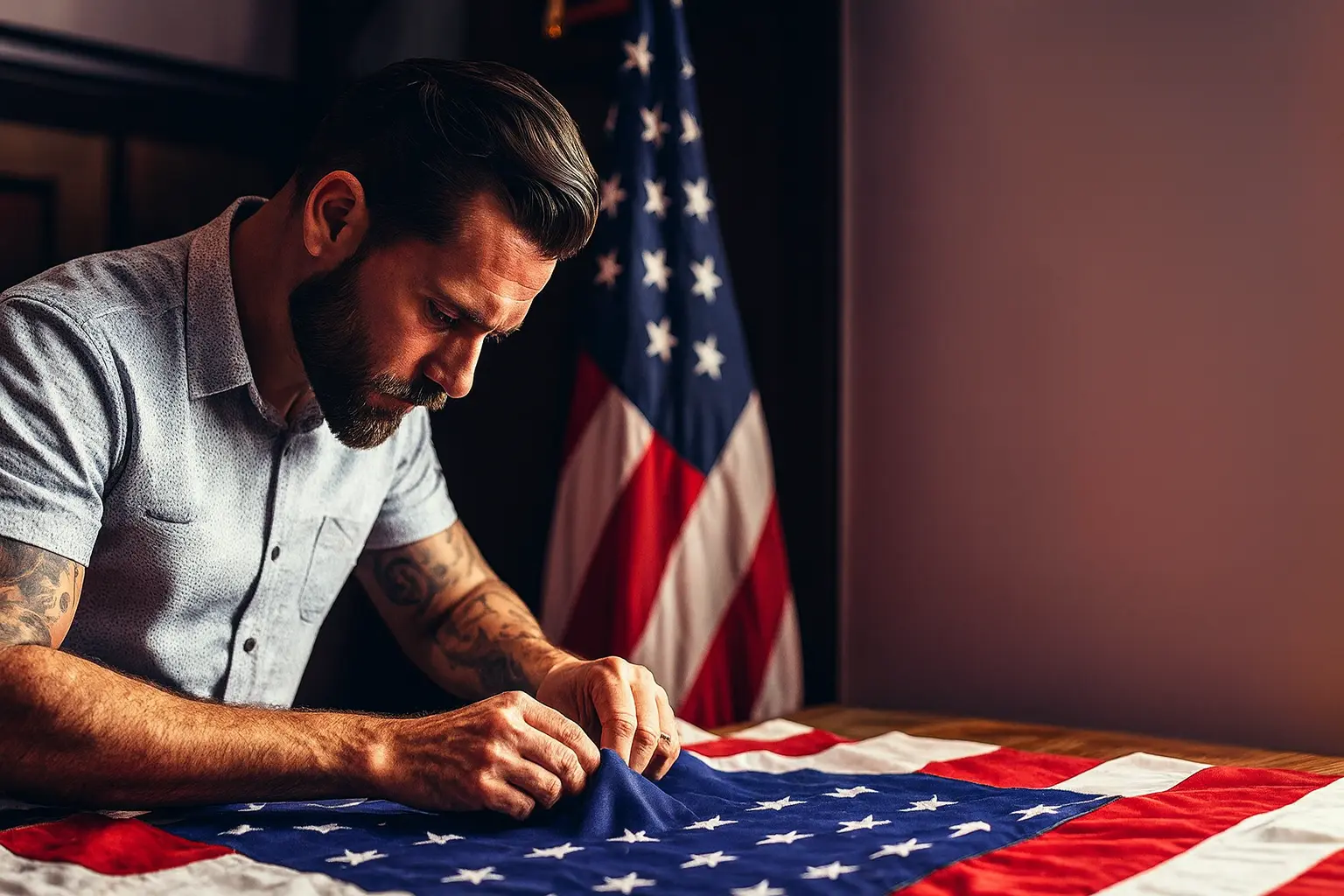
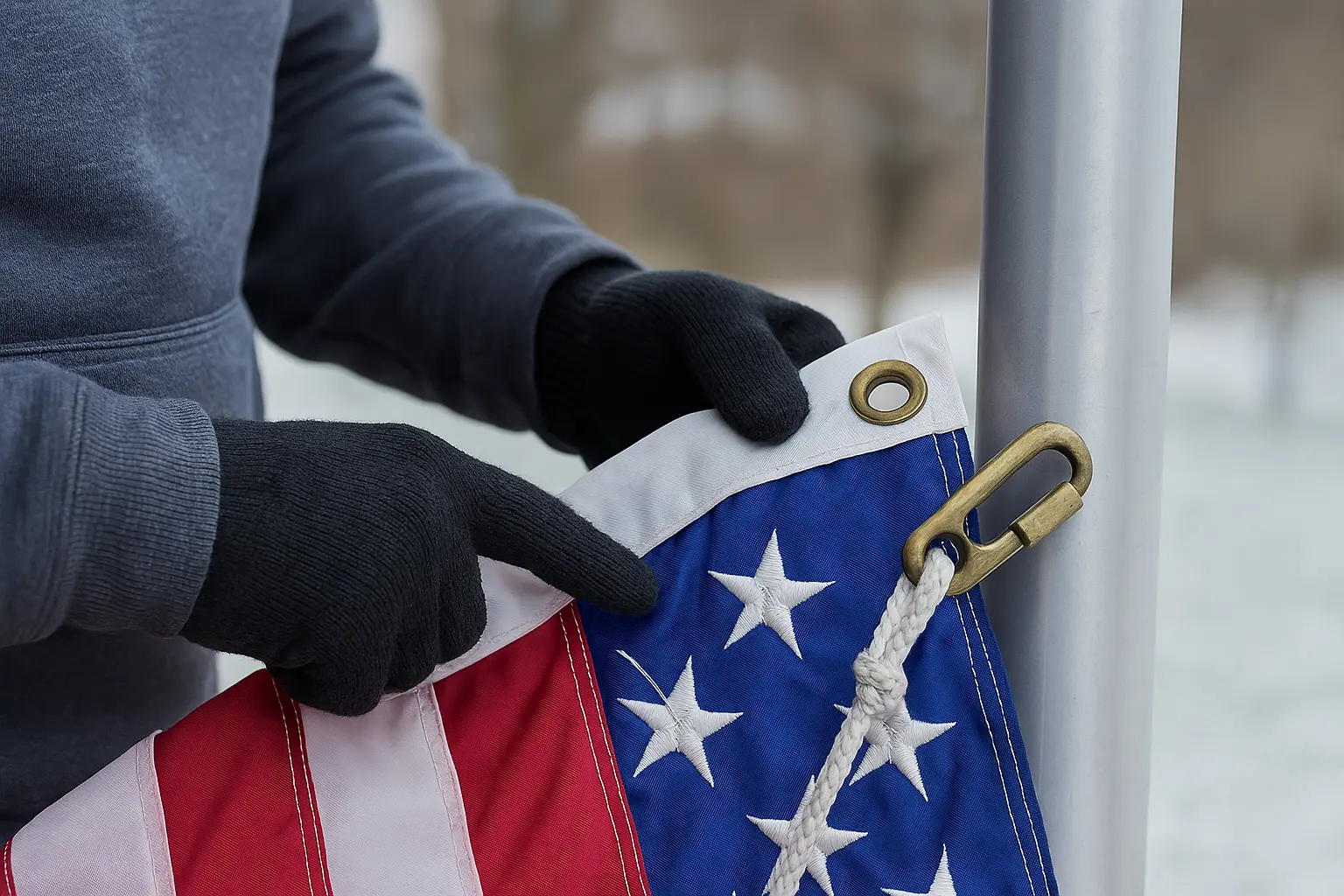
Before the temperature drops, take time to inspect your flag, halyard and pole. Look for frayed seams, worn ropes and loose clips. Bigger issues can be prevented if inspection is done early. Now's the perfect time to make outdoor flag care part of your seasonal routine, ensuring your flag stays safe and secure this winter.
Choose Durable Flag Material Suited for Winter
Some fabrics handle winter much better than others. Nylon and polyester are pretty popular for winter flag care because they dry quickly and resist strong winds. A heavy-duty material will allow your flag to move freely without absorbing too much moisture. Selecting a heavy-duty option is one of the easiest ways you can protect your flag during winter.
Take Down or Lower the Flag in Severe Storms
Winter storms can be quite unpredictable. If there is a forecast of heavy snow, ice, or wind, one should lower or temporarily take down the flag. Flying the flag in such conditions greatly increases the possibility of tears and stretching. Taking the flag down is but another simple step that preserves its life while putting less strain on the pole during strong gusts.
Avoid Flying a Wet Flag in Freezing Weather
A flag that's wet will be heavier and can freeze. When fabric stiffens, tension is created that weakens threads and leads to early wear. Allow the flag to dry completely before flying it again. This is among those essential habits in cold weather protection that prevents damage you cannot repair later.
Clean the Flag Regularly During Winter Months
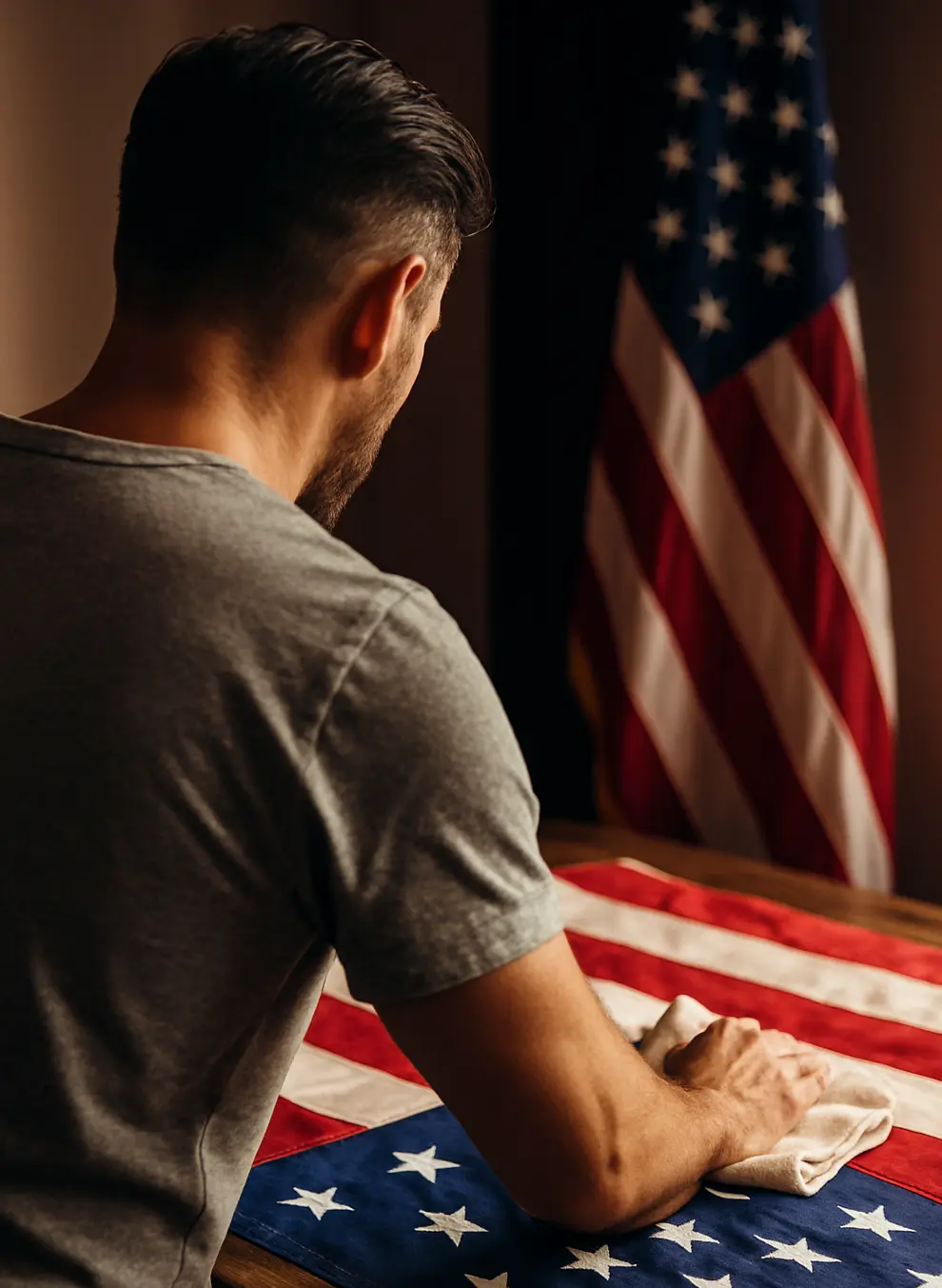
Even during winter, dirt and moisture accumulate at a fast pace. Salt from roadways clings to fabric, as does dust from storms. Gently cleaning the flag keeps colors preserved and discourages grime from settling into the weave. Regular cleaning also makes for easier winter flag storage because you don't have to fold a dirty flag.
Grease Pulleys and Moving Parts
Very cold temperatures will stiffen pulleys and halyard mechanisms, so lubricate moving parts to ensure smooth raising and lowering of the flag throughout the season. Proper care of the hardware extends the life of the pole and reduces friction that may cause damage to ropes.
Prevent Ice Buildup on the Pole and Hardware
The elements of winter that cause the most damage are ice. If you see a formation of ice either on the pole or anywhere around the clips, carefully remove it without using any tools that might scratch the surface. Keeping the area clear prevents heavy buildup and avoids unnecessary strain on the pole's structure.
Rotate Flags Seasonally for Better Longevity
Using the same flag all winter accelerates wear. Rotating between two flags allows one to dry or rest while the other is in use. This simple routine will help keep colors vibrant and maintain fabric strength. It also gives you flexibility when sudden storms arrive.
Store Your Flag Properly When Not in Use
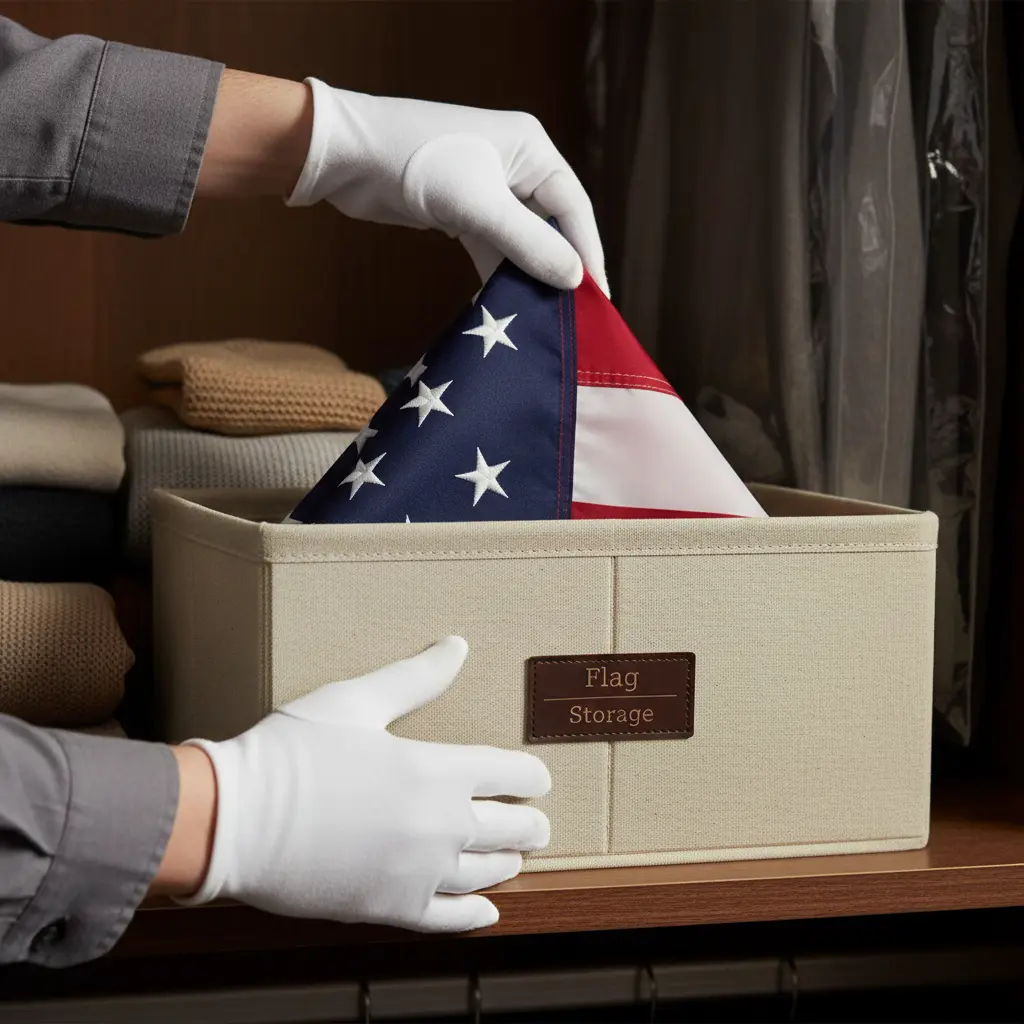
In the case of taking the flag down for much longer periods, winter flag storage is a must. Fold the flag after it has dried completely to avoid mold or sticking of the fabrics. Store it in a cool and dry place so that the colors can be bright as soon as the weather warms up.
Check Ground Sleeve and Pole Stability After Freeze Thaw Cycles
Winter causes frequent freeze/thaw shifts in the soil. These can cause the sleeve to loosen in the ground or actually tilt the pole slightly. Regular checks help you find small problems before they become major ones. A stable base means the pole will stay safe and secure in windy conditions.
Replace Worn Ropes, Clips and Hardware Before They Fail
Cold weather is unforgiving on old hardware. If the halyard rope looks frayed or clips seem weak, replace them before winter damage occurs. New hardware will support your flag more reliably and reduce the risk of failure when strong winds or icy days hit.
Winter Flag Care Checklist-Use for Consistency
A simple checklist keeps you consistent with your winter flag maintenance and ensures nothing gets overlooked. Regular flag and hardware inspection, cleaning after storms, flag rotation, and proper storing prevent surprises and help your outdoor flag look its best.
Winter Flag Care Checklist
- Inspect the flag and hardware for wear
- Clean and dry the flag after storms.
- Rotate flags to extend life
- Lower or take down the flag in inclement weather
This prevents any surprises, and your flag stays respectful even in the most volatile conditions. A checklist makes outdoor flag care easier and more organized all season long.
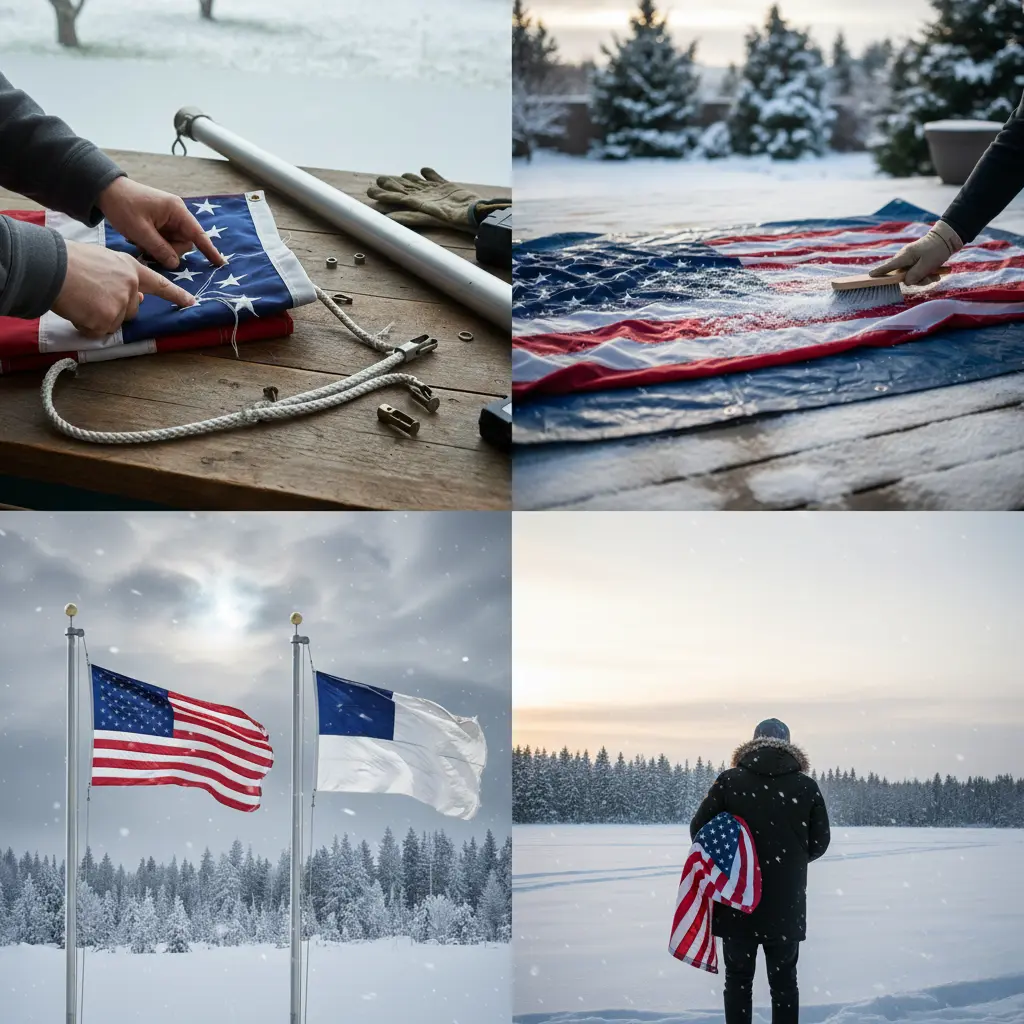
This winter, a little preparation and periodic attention will keep your outdoor flag flying proudly. With mindful habits of cleaning, inspecting, and protecting the fabric against storms, you preserve both its appearance and its symbolic value.
Don’t leave your flag unprotected. Upgrade to a durable, winter-ready flag today
How to Care for Your Outdoor Flag in Winter