A new year brings a wave of hope, refelction, and immense joy in every part of the world. While fireworks and kisses with loved ones mark the beginning of the new year with joy and hope for new beginnings, the display of flags is something that is more universal and symbolic. Flags are far more than decoration. They connect personal renewal to national pride and cultural heritage and carry deep meanings.
Let's explore why flags have become such an integral and beloved part of New Year's celebrations across continents.
The Role of Flags in Global New Year Traditions
In many global New Year traditions, flags act as visual anchors for celebration. They mark time, place, and belonging all at once. When people gather to welcome the year, flags help transform ordinary spaces into ceremonial ones. Whether waved by crowds or displayed on buildings, flags used in New Year celebrations reinforce the idea that the moment matters beyond personal joy.
Cultural Symbolism of Flags at the Beginning of a New Year
The cultural symbolism of flags becomes especially powerful during year transitions. Flags are loaded with shared meaning, representing struggles, achievements, and collective memory. Raising a flag on New Year’s Eve or Day signals continuity. It says that while the year has changed, the cultural values behind the flag remain steady and worth carrying forward.
Flags as Symbols of Renewal and Fresh Beginnings
Flags as symbols of renewal appear across cultures, even where New Year dates differ. The act of displaying a flag aligns with the idea of starting clean while honoring the past. Unlike decorations that change yearly, flags connect renewal with responsibility. They remind people that a fresh beginning is tied to shared identity, not just individual intention.
National Flags at New Year Celebrations and Public Areas
National flags in New Year celebrations are most visible in public spaces. City squares, government buildings, and landmarks often become focal points for collective countdowns. These displays are intentional. Public celebrations and national flags together reinforce trust, stability, and continuity as one year ends and another begins.
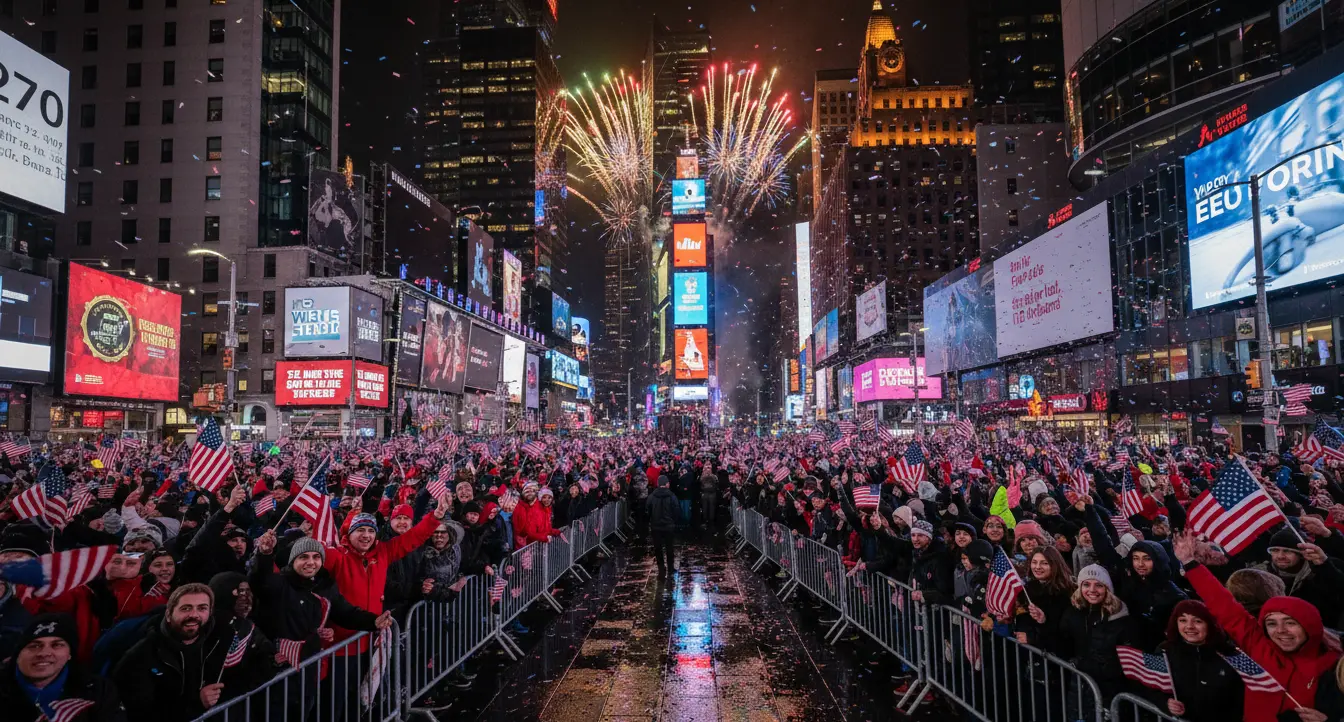
Flags Symbolizing National Identity during Transitions of Years
During transitions of years, National flags provide an opportunity for citizens to regroup through feelings of national affiliation. During uncertain years, it is even more essential. The flag provides assurance that even though there may be changes in the economy or society, there still remains national identity in the New Year.
Celebratory Flag Displays Around the World
Celebratory flag displays around the world vary in style but share the same purpose. In some regions, flags line streets and balconies. In others, they appear in parades or ceremonial gatherings. These cultural traditions to welcome the New Year use flags to visually unite communities, even when languages and customs differ.
Color Symbolism in Flags and Meaning of New Year
The use of color symbolism found within flags brings an added element of meaning to New Year celebrations. Red symbolize: bravery or prosperity; while white symbolizes peace or purity; and green symbolizes growth or renewal. The presence of these colors at the start of every new year brings an added element of its own symbolic meaning. It reinforces hope for the coming year.

Flags in Festivals and Cultural Rituals
Flags in festivals and cultural events are not just limited to a nation. Regional flags or ceremonial flags are also featured in New Year celebrations. This tradition of waving flags at New Year events brings people back to their past culture, emphasizing a sense of tradition through the symbolism of flags, which do not require any explanations.
Public Celebrations and National Flags as Group Expression
Public festivities and national flags contribute to a feeling of collective participation. Even for individuals who do not celebrate themselves but rather observe from afar, symbols of celebration surround them. This shared experience shifts the focus of New Year celebration from an individual occasion to a group experience.
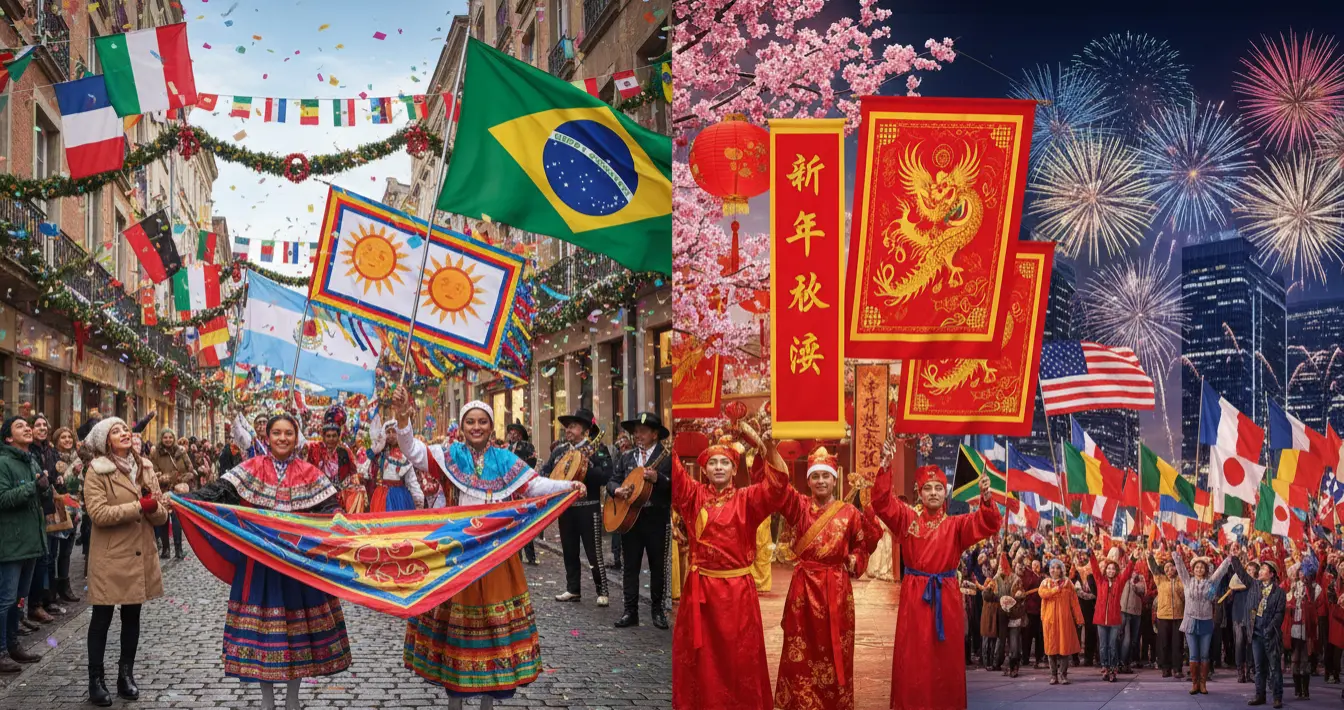
Flags and Unity in Global New Year Celebrations
Having flags and being united in celebration for the New Year go side by side. Although each culture has its tradition regarding celebration, the fact that flags are raised everywhere indicates a universal human desire to celebrate new beginnings in a universal manner.
The Significance of Flags in New Year Celebrations
Why flags matter in New Year celebrations comes down to meaning, memory, and unity. Flags hold stories that outlast a single year. They allow societies to welcome change without losing identity.
If you are planning a New Year event, cultural display, or public celebration, explore our collection of high quality flags designed for ceremonial and festive use. Visit our product page to find flags associated with tradition and embracing new beginnings.
Why People Welcome the New Year with Flags Around the World