Flags are really important to people because our brains are set up to notice symbols. We give meaning to different shapes and colors especially when they represent the groups that we are a part of. After a while flags start to mean a lot to us. They remind us of stories and values. Who we are, all without saying a word. This is why flags can make us feel emotions like we are connected to them in a big way. Our reactions to flags can be very quick. Feel really personal like they are a part of us, like the flag of our country or the flag of a group we care about.
Flags also function as visual anchors. They occur during critical instances such as celebrations, protests, funerals, and national emergencies. Every event further instills emotional attachment between the symbol and experience. Gradually, the flag stops being an object and starts acting like a container for memory and feeling.
The Psychology Behind Emotional Responses to Flags
From a psychological perspective, a flag is a form of identification. When a person spots a flag that represents their group, a psychological signal telling them they belong is triggered. Human beings have a natural affinity to be with others and have group identities in relation to emotional regulation and control. The flag is an indicator of who is in and who is out in relation to group identities and emotional affinities because to protect it is to protect oneself and one’s community in some way.
Color can be important, too. What the colors of the flag stand for in the home country can usefully contribute to the emotional bias of the icon. A red color can stand for sacrifice or bravery, blue for trust or endurance, and green for land or Christian faith.
Whenever a flag is disrespected or misrepresented, the brain recognizes this as a threat to identity. This is why response can sometimes be so irrational. The symbol is more than noticed. It is felt.
Flags as Carriers of History and Collective Memory
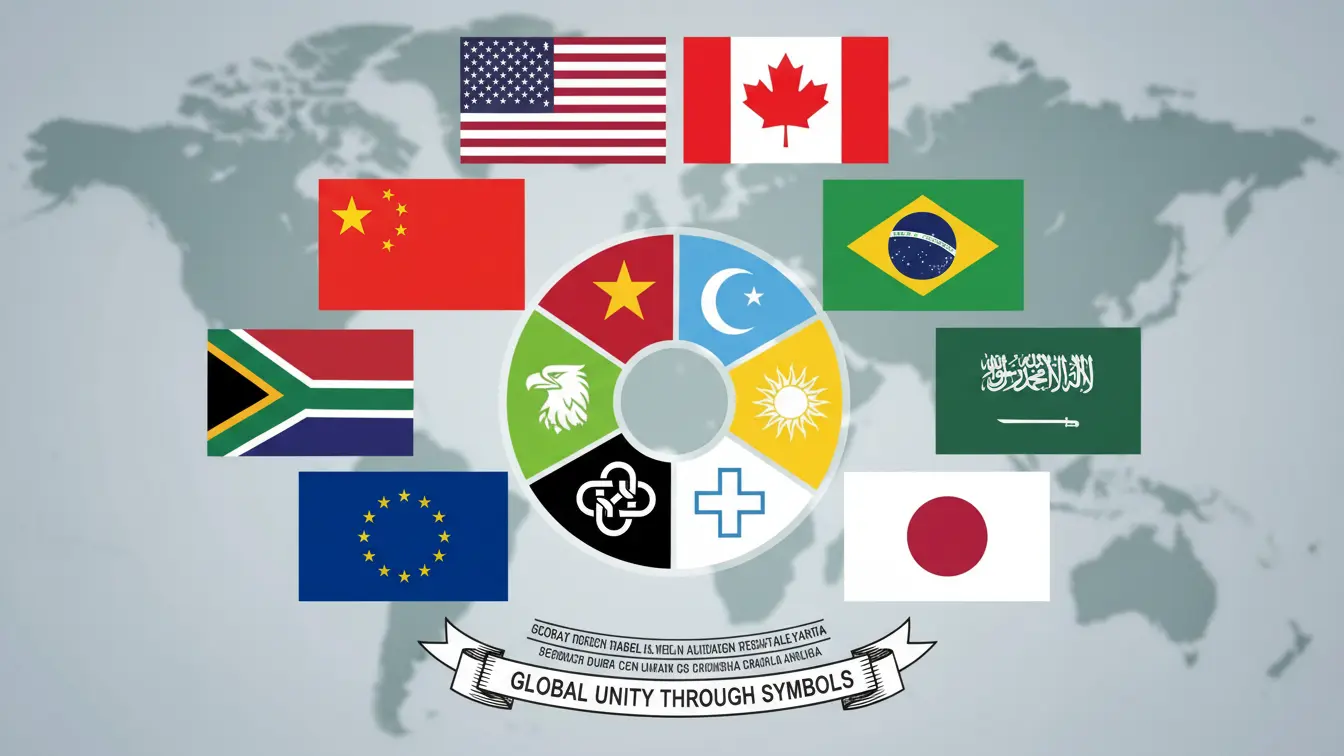
Every flag has a history. The historical meaning of flag symbols creates a strong emotional attachment, and every struggle, independence, or loss of life has been achieved under the flag, and this forms a history associated with the flag.
All this is relevant to the topic of displaying the flag and collective memory. When the flag is raised during national holidays or memorial days, the story is recalled again. People who did not experience the history can still feel the emotional resonance since the story has been transmitted through education, the family, and the media.
Collective memory makes flags into vessels for emotional excavation through time. A single picture can evoke multiple decades or even centuries of struggle, victory, or endurance. It is for these reasons that flags are commonly seen during times of collective national sorrow or celebration.
In this manner, flags are anything but impartial. Flags are filled with significance created by history, narrative, and repetition.
Cultural Identity, Belonging, and Symbolism
The role of flags in the identity of cultures cannot be overemphasized. A flag provides a visible demarcation of belonging to any nation, tribe, or community. The sight of the national flag, for example, can create an element of recognition and comfort for people that find themselves miles away.
This is where the power of flags as identity tokens lies. They enable people to place themselves in a bigger social story. There is a message conveyed by the flag: This is where you come from, and these are the people from whom you descend.
The emotional tie can be further related to flags and belonging to groups. When individuals assemble under the flag, whether for sport or cultural events, the symbol that everyone shares brings about unity. The differences are only temporarily overlooked as everyone is represented by the flag symbol of belongingness.
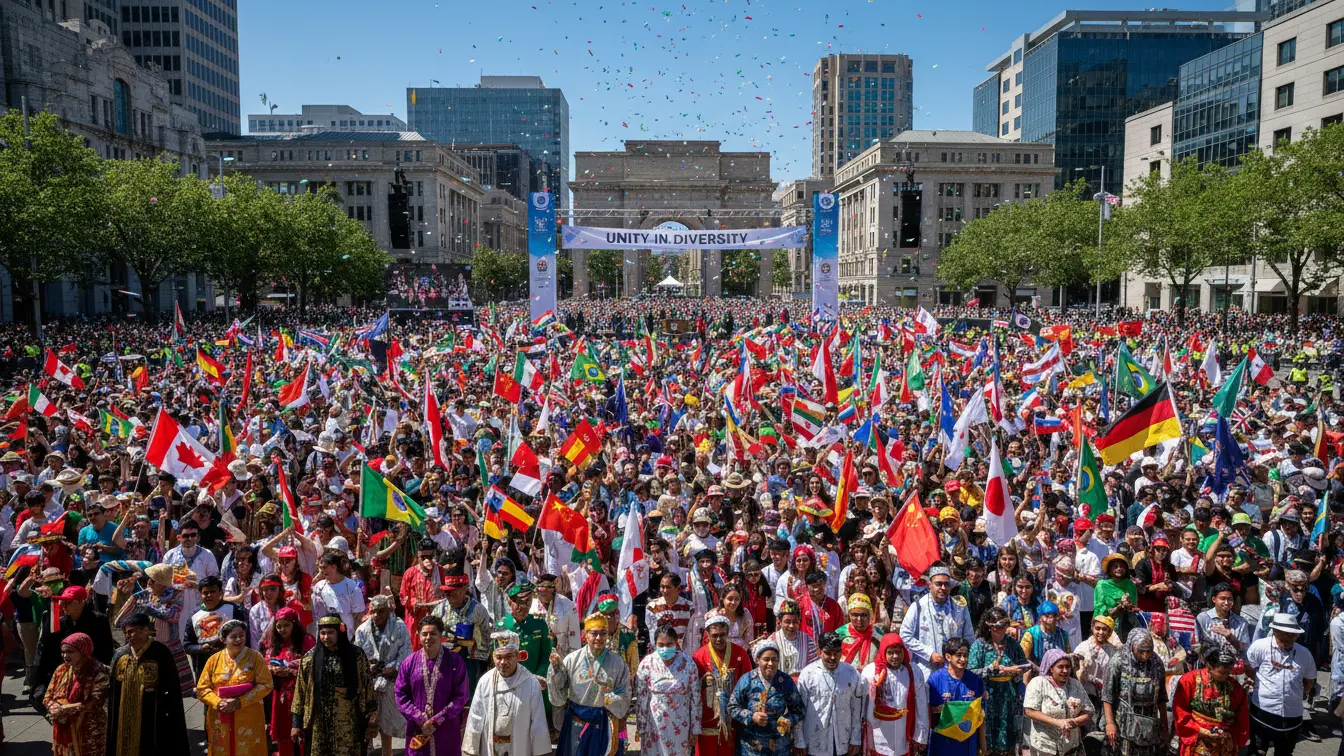
This sense of belonging explains why flags are often fiercely protected. Losing or changing a flag can feel like losing part of oneself or one’s history.
Modern Flags, Movements, and Emotional Power
In recent years, flags have not been reserved for countries alone. Social movements and campaigning flags utilize symbolism to reflect ideological values and struggles for a cause. Interestingly, these flags tend to spring from a shared experience of either pain or hope, which gives them a powerful message.
It is easy to recognize the intensity of the response that the banners or emblems used in protests convey, in that these emblems symbolize the lived experiences that the groups involved in the protests signify. To the supporters, the emblems symbolize visibility, while for the others, they symbolize danger or separation.
The protest flags and emotional symbolism of the event can be linked to the concept of tribalism. People automatically categorize themselves based on their own tribe and can be identified using the concept of symbolic representation through tribalism. The flags work as visual identifiers that show people their positions.
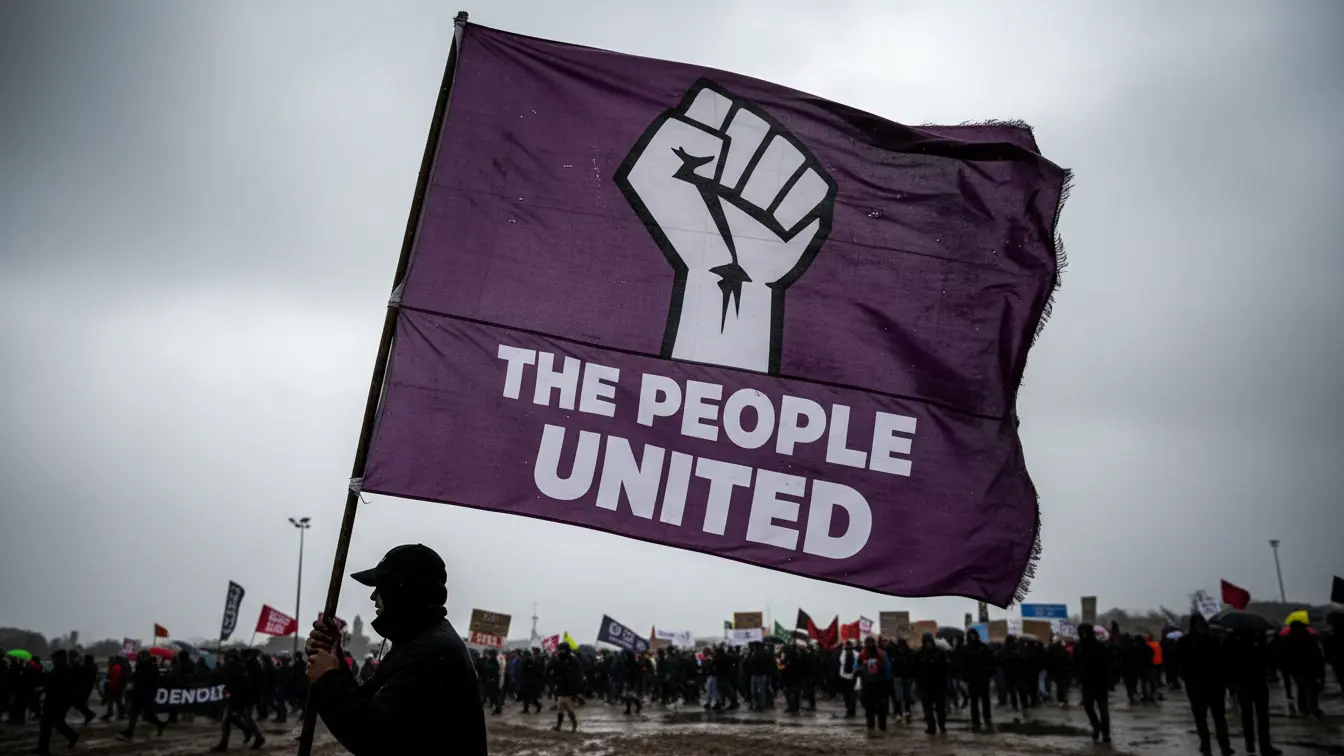
In any case, whether it’s a national one or a social one, the flag is a powerful symbol because it condenses complex identities into a single imagery that is full of meaning. It reminds us of who we are and what we stand for
Why Certain Flags Evoke Strong Emotional Reaction