
In the fabric of human history, few symbols carry as much weight, emotion, and meaning as a nation's flag. More than colored cloth sewn together, a country's flag represents the soul of a people, their struggles, triumphs, values, and dreams woven into every thread. For over two centuries, flags have served as rallying points in times of war, beacons of hope during hardship, and proud emblems of identity that unite millions under a common cause.
The Birth of National Identity Through Symbolism
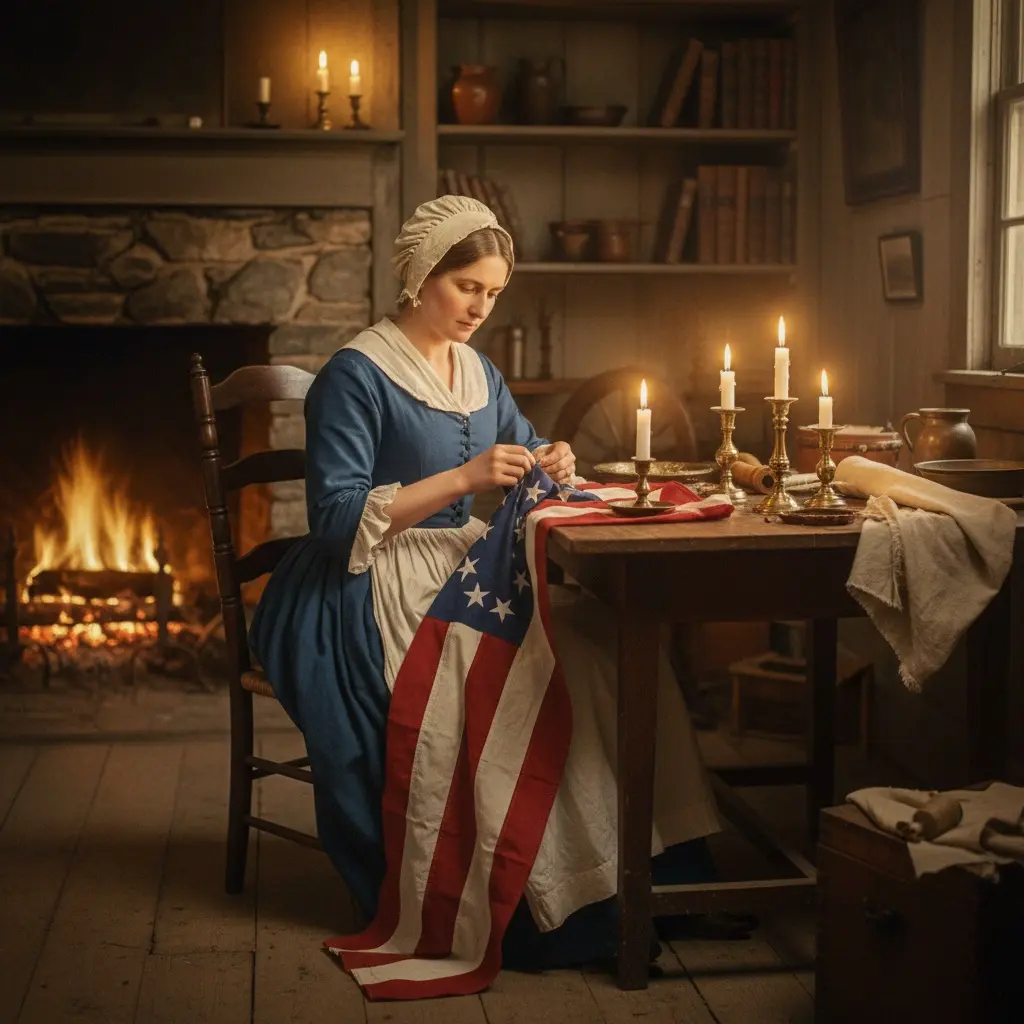
The power of a flag lies not in its physical form, but in what it represents. When Betsy Ross allegedly stitched together the first American flag in 1776, she wasn't simply creating a banner—she was crafting a visual representation of a revolutionary idea: that a group of colonies could unite as one nation, independent and free.
Symbolism has always been humanity's way of expressing complex ideas through simple, powerful imagery. Ancient civilizations used banners and standards to identify their armies, mark their territories, and inspire their people. The Roman legions carried eagles, medieval knights bore heraldic crests, and tribal societies created totems—all serving the same fundamental purpose: to create unity through shared symbols.
A nation's flag distills its entire identity into a single, recognizable image. The stars on the American flag don't just represent states—they symbolize the idea that individual parts can come together to form something greater. The stripes don't merely alternate colors—they represent the original colonies that dared to dream of independence. Every element tells a story, and every story reinforces the bonds that hold a nation together.
Flags as Witnesses to History
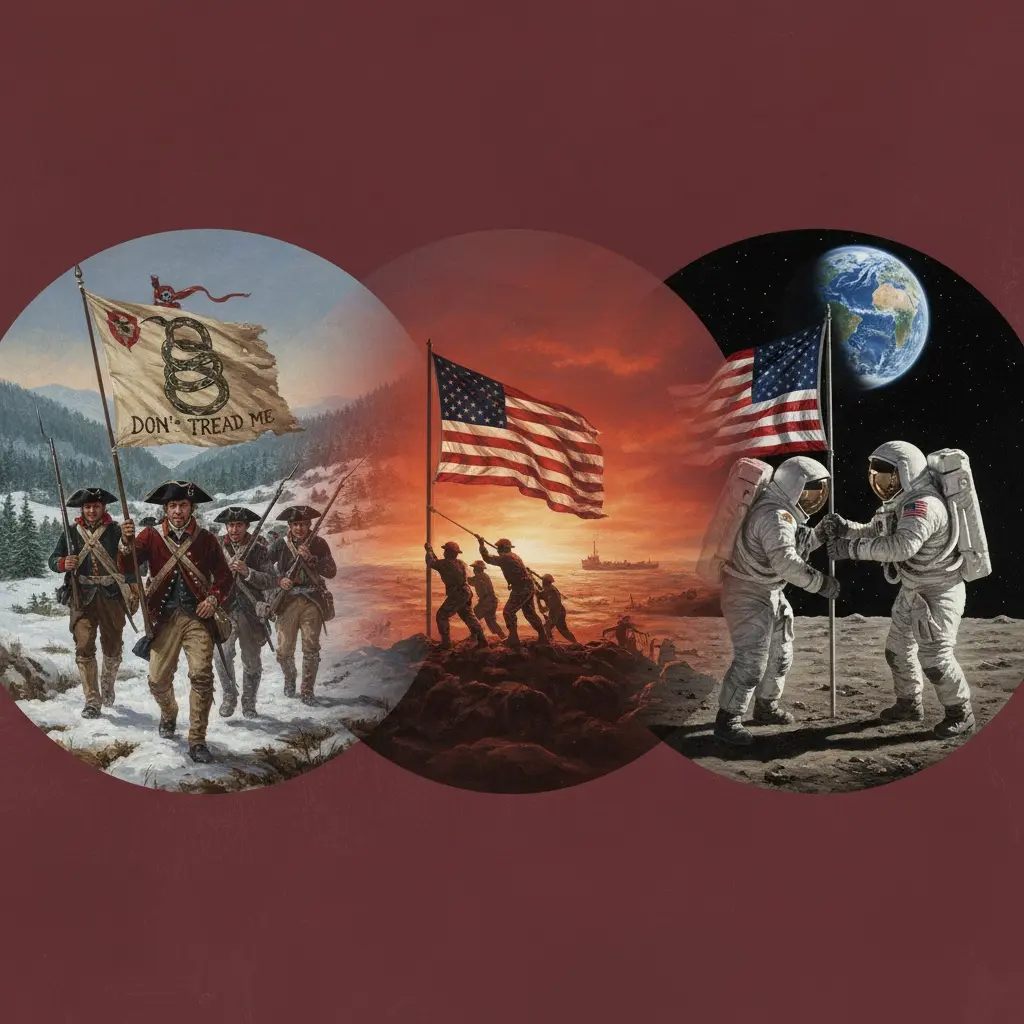
Throughout American history, our flag has been present at every pivotal moment, serving as both witness and participant in the events that shaped our nation. At Valley Forge, Washington's Continental Army rallied around early versions of our flag during the darkest hours of the Revolutionary War. The sight of that banner reminded starving, freezing soldiers why they fought—not just for independence, but for the idea that people could govern themselves.
During the Civil War, both Union and Confederate forces carried their respective flags into battle, each believing their cause was just. The flag became a symbol worth dying for, with color bearers often targeted specifically because losing the flag meant losing the unit's identity and morale. The famous image of the flag raising at Iwo Jima during World War II captures this perfectly, exhausted Marines, having just secured a strategic position at enormous cost, took time to plant the American flag as a symbol of victory and sacrifice.
The flag has also been present during our nation's greatest achievements. It traveled to the moon with Apollo 11, representing not just American ingenuity but humanity's greatest adventure. It flew over the Berlin Wall as it fell, symbolizing the triumph of freedom over oppression. After September 11th, flags appeared everywhere—on cars, buildings, clothing—as Americans sought comfort and unity in a shared symbol during our darkest hour.
The Sacred Bond Between Flag and Service Members
For military service members, the relationship with the flag transcends symbolism, it becomes deeply personal. Every service member takes an oath to defend the Constitution and the flag that represents it. They carry it into combat, wear it on their uniforms, and see it draped over the coffins of fallen comrades.
The military's relationship with the flag is built on sacrifice and service. When a service member deploys overseas, the flag on their uniform connects them to home, family, and the values they've sworn to protect. When they return, that same flag welcomes them back. For veterans, the flag represents not just their service, but the brotherhood and sisterhood forged through shared sacrifice.
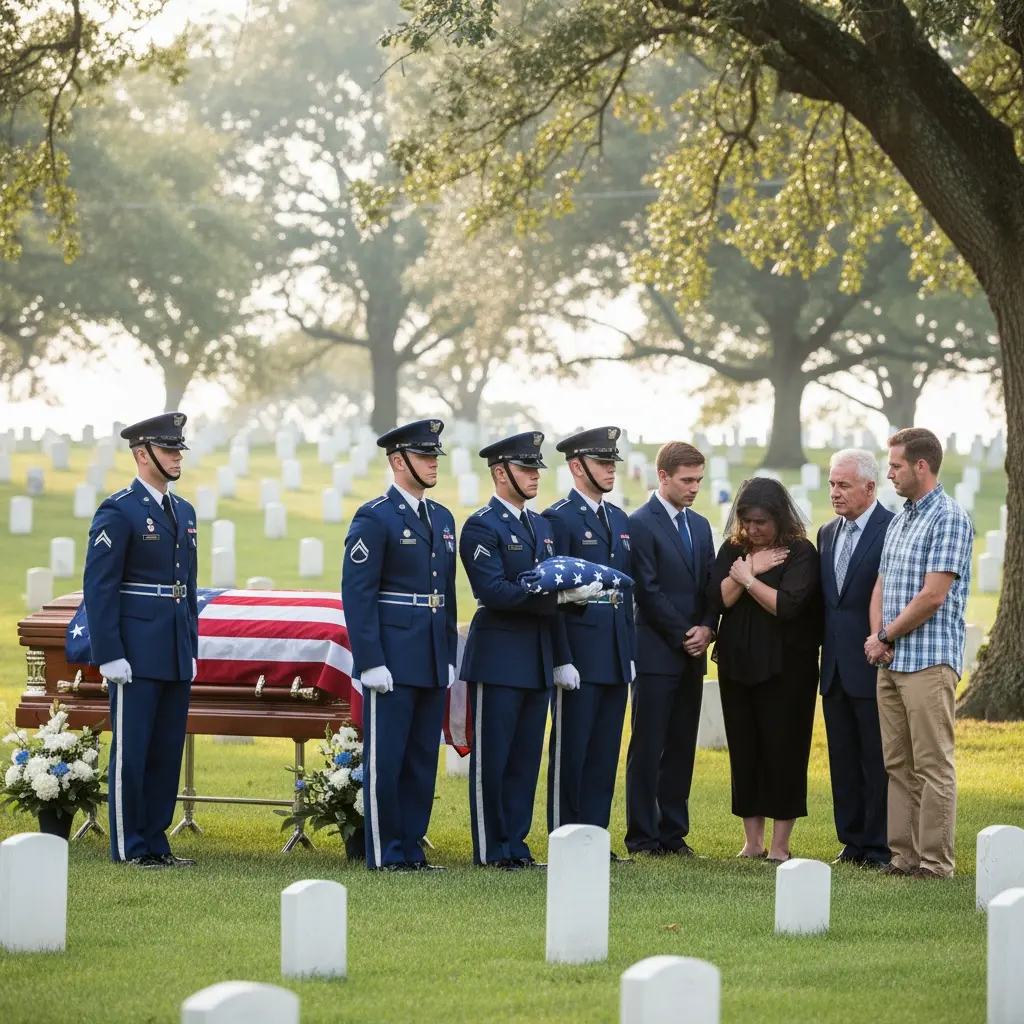
The tradition of presenting a folded flag to the families of fallen service members transforms cloth into something sacred. That flag, which once flew over the Capitol or accompanied the service member in life, becomes a tangible connection to their sacrifice and a symbol of a grateful nation's recognition of their ultimate gift.
Gold Star families, those who have lost a service member, often describe the flag as both a comfort and a reminder. It represents their loved one's service, their sacrifice, and the nation's promise to never forget. The Honor and Remember Flag, with its red field representing spilled blood, blue star for active service, and gold star for the ultimate sacrifice, provides an even more specific symbol for these families to honor their fallen heroes.
Why Symbolism Matters to Nations
Symbolism serves a crucial psychological and social function for any nation. Humans are storytelling creatures who need shared narratives to create community and meaning. A flag provides that shared story in visual form—instantly recognizable, emotionally powerful, and deeply meaningful.
Consider how flags function during national crises. After natural disasters, flags appear as symbols of resilience and recovery. During times of political division, the flag reminds citizens of their shared identity beyond partisan differences. In moments of national celebration, flags create a visual representation of collective joy and pride.
The flag also serves as a bridge between generations. A World War II veteran and a modern soldier may have served in different eras, with different equipment, facing different enemies—but they both served under the same flag, took the same oath, and shared the same commitment to the values it represents. This continuity creates a sense of timeless purpose that transcends individual experience.
For immigrants becoming citizens, the flag represents acceptance into the American family. The moment they take their oath of citizenship, often with small flags in hand, the symbol transforms from representing a foreign nation to representing their new home and identity.
The Enduring Power of Shared Symbols
In our increasingly digital and globalized world, the need for unifying symbols has only grown stronger. Social media can connect us instantly with people worldwide, but it can also fragment us into isolated echo chambers. Physical symbols like flags provide anchoring points—reminders of our shared identity and common purpose.
The flag's power lies in its simplicity and consistency. While political leaders change, policies shift, and cultural trends evolve, the flag remains constant. It represents not any particular administration or ideology, but the enduring principles upon which the nation was founded: liberty, justice, equality, and the pursuit of happiness.
This consistency allows the flag to serve as a unifying force even during divisive times. Americans may disagree passionately about policy, politics, or social issues, but most share a respect for what the flag represents—the idea that despite our differences, we're all part of something larger than ourselves.
Honoring the Symbol, Honoring the Sacrifice
Understanding what a flag means to a nation requires recognizing the sacrifices made in its name. Every fold in a military funeral flag ceremony represents something sacred—the life of someone who believed the ideals represented by that flag were worth defending with their life.
When we see the flag, we should remember not just the symbol, but the people who have served under it. The Revolutionary War soldiers who froze at Valley Forge, the Civil War soldiers who died at Gettysburg, the World War II veterans who stormed the beaches of Normandy, the Vietnam veterans who served in an unpopular war, the modern service members who have deployed repeatedly to Iraq and Afghanistan—all served under the same flag, guided by the same oath, motivated by the same love of country.
The flag connects us to this legacy of service and sacrifice. It reminds us that freedom isn't free, that democracy requires vigilance, and that the principles we hold dear have been defended by generations of Americans who believed those principles were worth any sacrifice.
Conclusion: More Than Cloth and Color
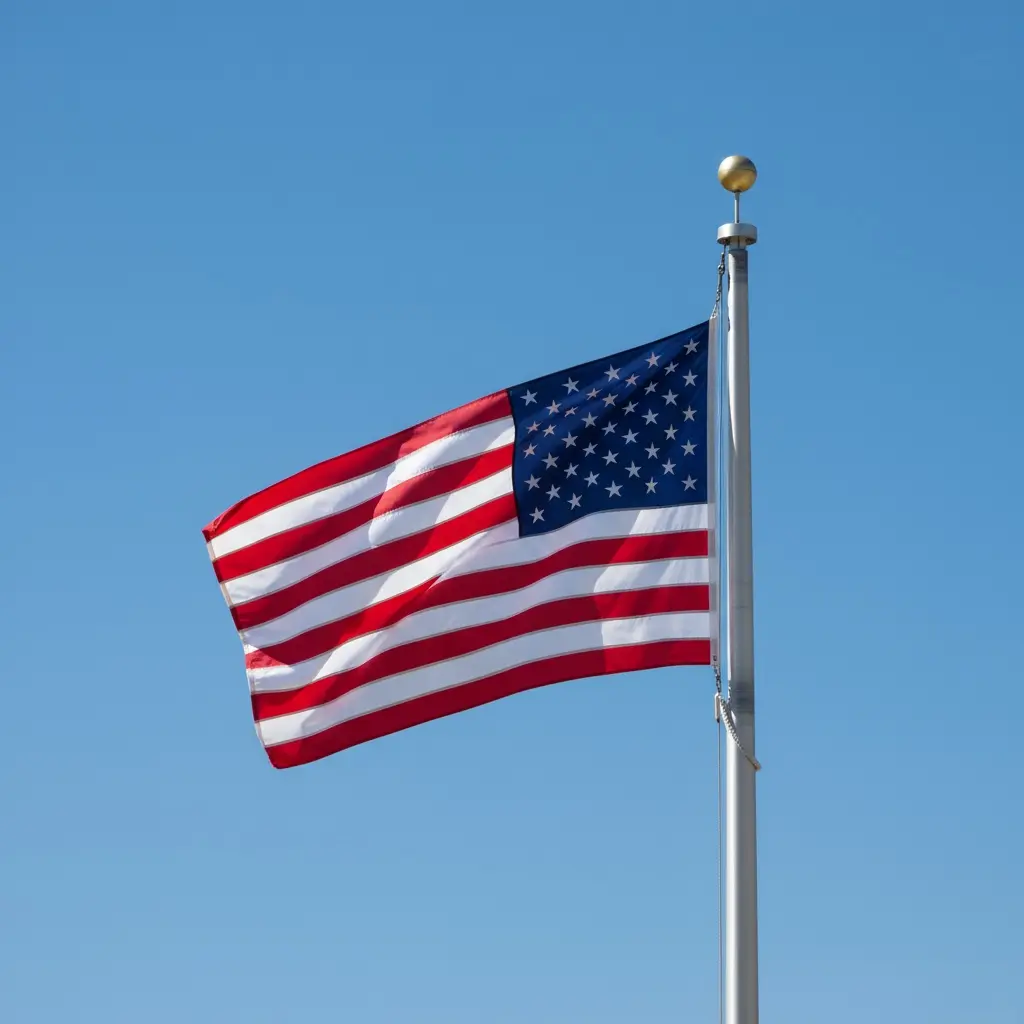
A nation's flag is never just fabric and dye; it's the physical manifestation of a people's hopes, dreams, struggles, and values. It represents the best of what we aspire to be, even when we fall short of those aspirations. It connects us to our history while pointing toward our future. It unites us across differences of race, religion, politics, and background under shared ideals.
For service members, the flag represents the oath they took, the sacrifices they've made, and the brothers and sisters with whom they served. For families, it represents the values they want to pass to their children. For immigrants, it represents opportunity and belonging. For all Americans, it represents the ongoing experiment in self-governance that began in 1776 and continues today.
In a world that often seems divided and fractured, the flag reminds us that we are one nation, indivisible, with liberty and justice for all. That's not just a pledge—it's a promise, a goal, and a sacred trust passed down through generations of Americans who believed that promise was worth defending.
The next time you see the flag—whether it's flying over a government building, carried in a parade, or folded in the hands of a grieving family—remember that you're looking at more than a symbol. You're seeing the physical representation of an idea that has endured for nearly 250 years: that people can govern themselves, that freedom is worth fighting for, and that out of many, we can truly become one.
Baldwin Priesmeyer has been proudly serving the flag needs of communities and service members since 1908. We understand that a flag is more than a product—it's a symbol of everything we hold dear as Americans. Whether you need a replacement flag for your home, a custom flag for your organization, or a flagpole installation for your business, we're honored to help you display the symbol that represents the best of our nation.
Baldwin Priesmeyer has been proudly serving the flag needs of communities and service members since 1908. We understand that a flag is more than a product—it's a symbol of everything we hold dear as Americans. Whether you need a replacement flag for your home, a custom flag for your organization, or a flagpole installation for your business, we're honored to help you display the symbol that represents the best of our nation.
What a Country Flag Means to a Nation: The Enduring Symbol of Unity, Sacrifice, and Hope