
Key Themes and Modern Reflections
1. National Unity
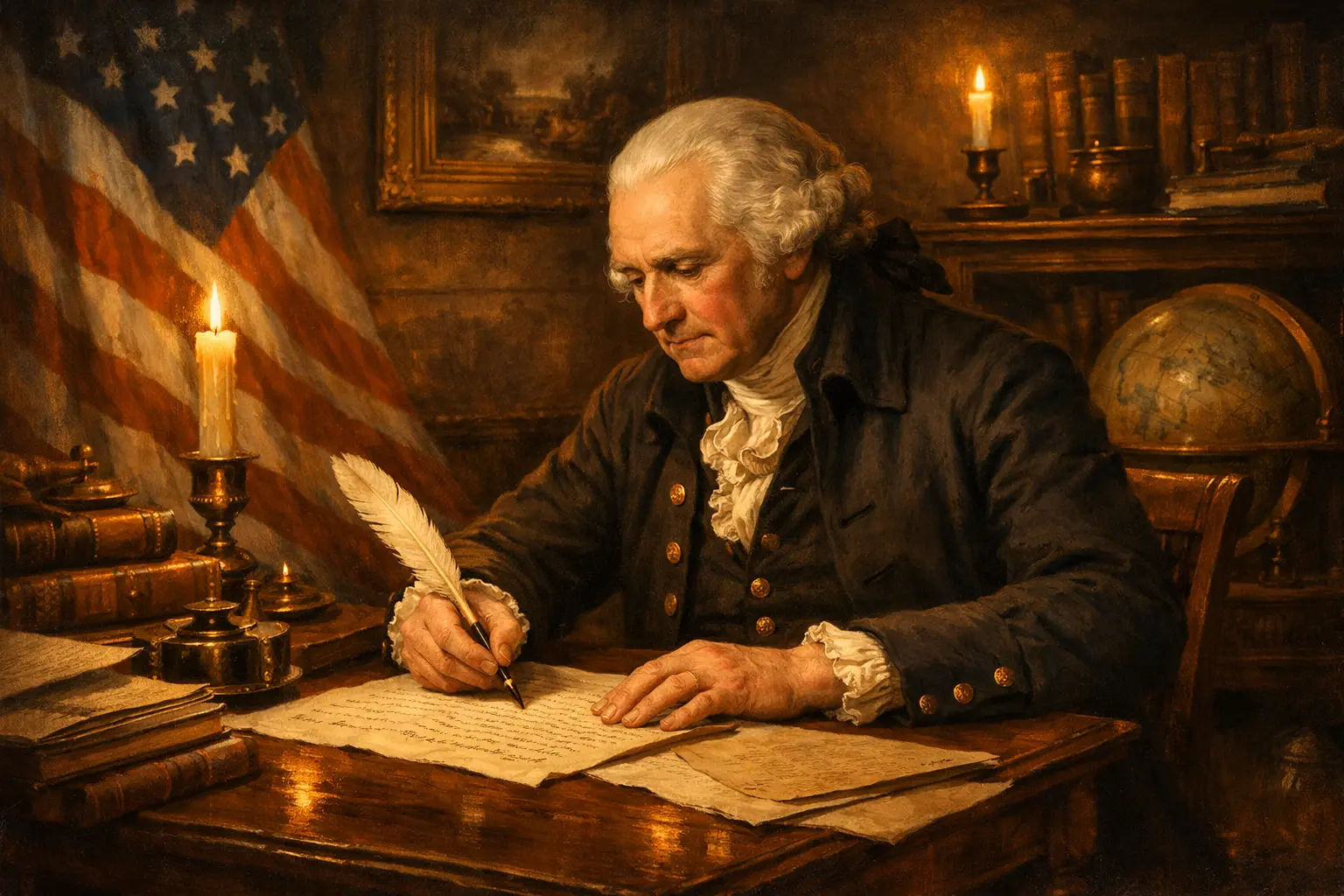
Washington’s Call:
“The name of American, which belongs to you in your national capacity, must always exalt the just pride of patriotism more than any appellation derived from local discriminations.”
He warned against regional and sectional divides:
“You have in a common cause fought and triumphed together… The independence and liberty you possess are the work of joint counsels and joint efforts.”
Modern Reflection: Washington’s plea for unity is a reminder to prioritize what unites us as Americans, especially during times of division.
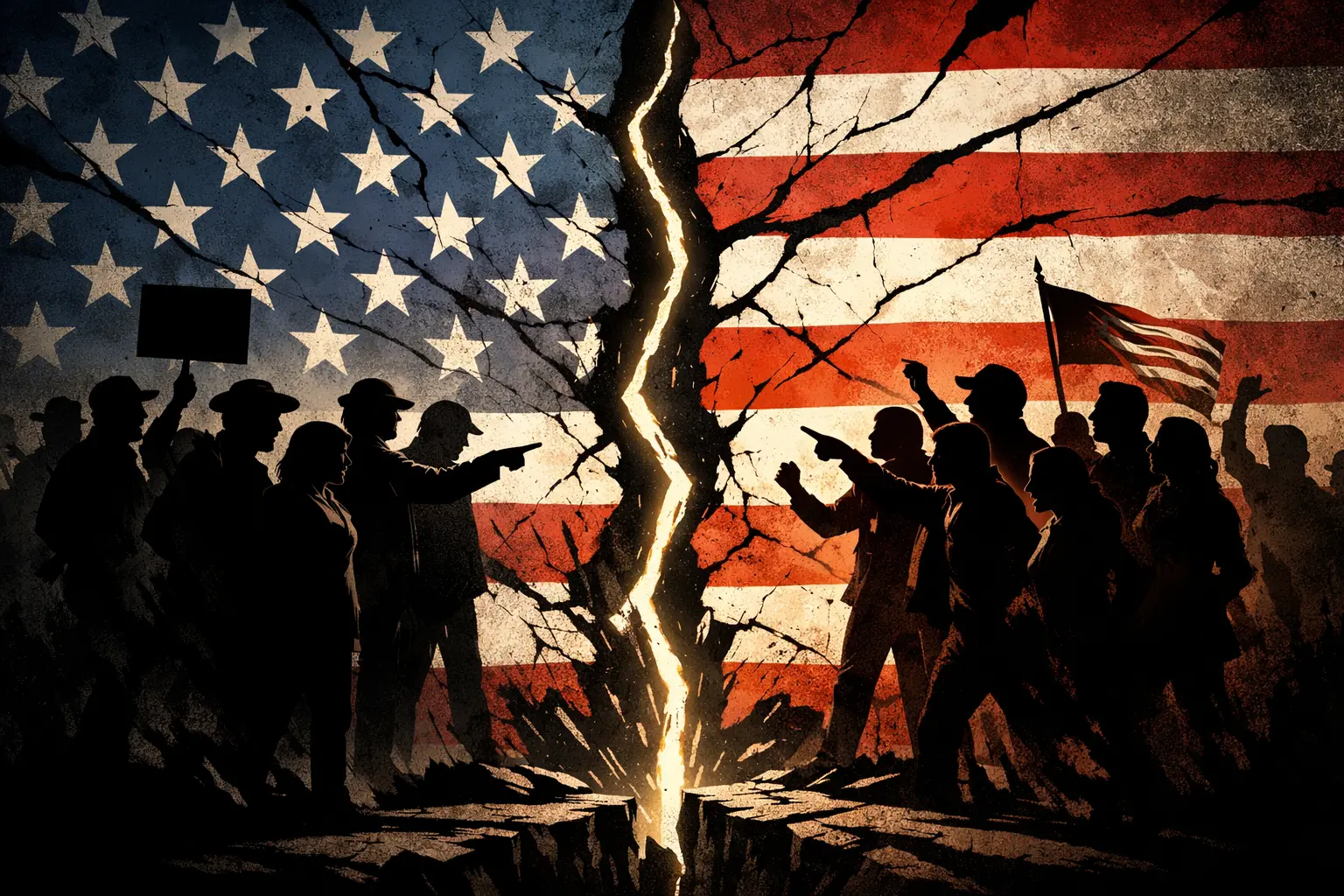
The Dangers of Political Parties
Washington’s Warning:
“The spirit of party… is inseparable from our nature, having its root in the strongest passions of the human mind… but let me warn you in the most solemn manner against the baneful effects of the spirit of party.”
He cautioned that parties could undermine the government:
“It agitates the community with ill-founded jealousies and false alarms, kindles the animosity of one part against another.”
Modern Reflection: His words encourage us to value collaboration over partisanship and to seek respectful disagreement for the nation’s good.
Foreign Alliances and Independence
Washington’s Advice:
“It is our true policy to steer clear of permanent alliances with any portion of the foreign world.”
He urged caution:
“The great rule of conduct for us in regard to foreign nations is, in extending our commercial relations, to have with them as little political connection as possible.”
Modern Reflection: Washington’s guidance remains relevant as we balance international relationships with America’s best interests.
Morality and Religion
Washington’s Belief:
“Of all the dispositions and habits which lead to political prosperity, Religion and morality are indispensable supports.”
He emphasized virtue:
“Reason and experience both forbid us to expect that national morality can prevail in exclusion of religious principle.”
Modern Reflection: Ethical leadership and civic virtue are still essential for a healthy democracy.
Education and Knowledge
Washington’s Encouragement:
“Promote, then, as an object of primary importance, institutions for the general diffusion of knowledge.”
He linked knowledge to liberty:
“In proportion as the structure of a government gives force to public opinion, it is essential that public opinion should be enlightened.”
Modern Reflection: Washington’s call for education reminds us that informed citizens are the backbone of a free society.
The Complete Farewell Address
The full text of Washington’s Farewell Address is available through the U.S. National Archives and the Library of Congress. If you’d like the entire speech included here or as a downloadable resource, please let us know.

Conclusion
Washington’s Farewell Address is not just a historical document—it’s a call to unity, integrity, and civic responsibility. By reflecting on these timeless principles, we can help ensure a stronger, more united America for generations to come.
Sources:
- George Washington’s Farewell Address (1796), National Archives
- Library of Congress: Founding Documents
Washington’s Farewell Address: Lessons and Legacy for Today