
Origins: The Rules of Ranging
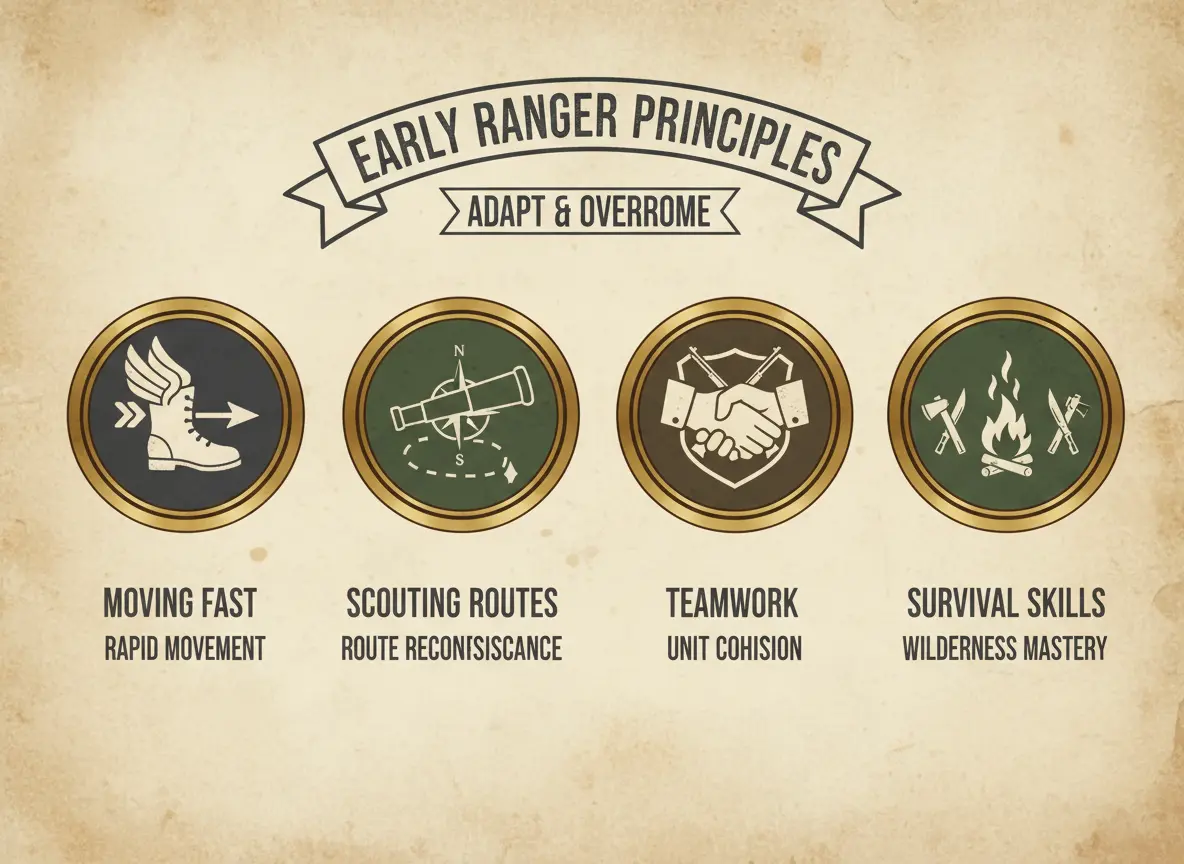
The story of the US Army Rangers begins in the wild frontiers of colonial America. In 1756, Major Robert Rogers formed a unit of handpicked men—Rogers’ Rangers—to fight in the French and Indian War. Their tactics were revolutionary: move fast, strike hard, and disappear before the enemy could react. Rogers wrote the famous Rules of Ranging, a code of discipline and fieldcraft that’s still taught to Rangers today.
Key Rules of Ranging (1757):
- Don’t travel the same route twice.
- Move light and fast, always ready to fight or vanish.
- Keep your powder dry and your wits sharper.
- Trust your team—never leave a Ranger behind.
These rules made Rangers America’s first special operations soldiers—masters of reconnaissance, raids, and survival.
Evolution Through War
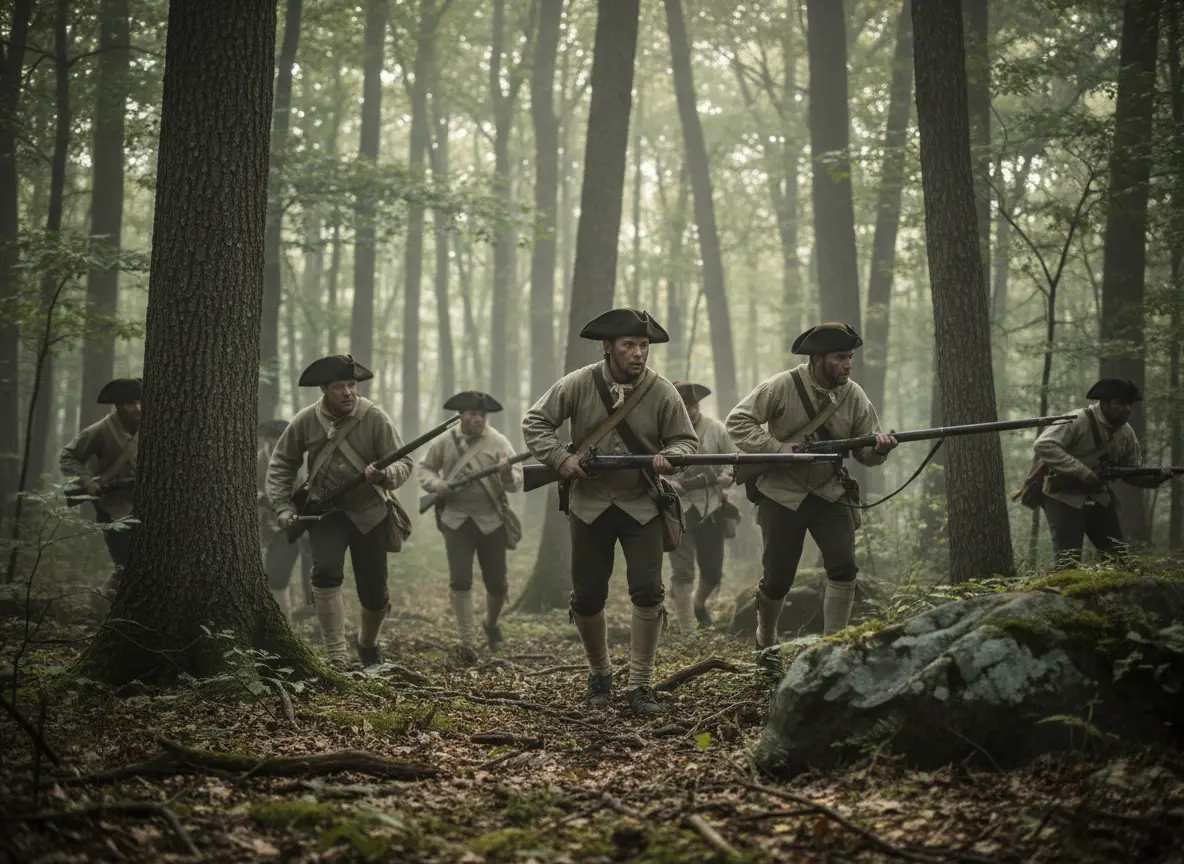
Rangers have fought in almost every American war. In the Revolutionary War, they scouted and ambushed the enemy. In WWII, new Ranger battalions stormed the cliffs of Pointe du Hoc on D-Day and led assaults in North Africa, Italy, and France. These men were chosen for their toughness and skill, not just their rank.
No Ranger School—Tabs Earned in Combat:
Before Ranger School existed, the only way to be a Ranger was to fight as one. Tabs and honors were given in the field, earned through action—not a classroom. WWII Rangers were recognized for their guts and grit in the thick of battle.
The Birth of Ranger School and the Tab
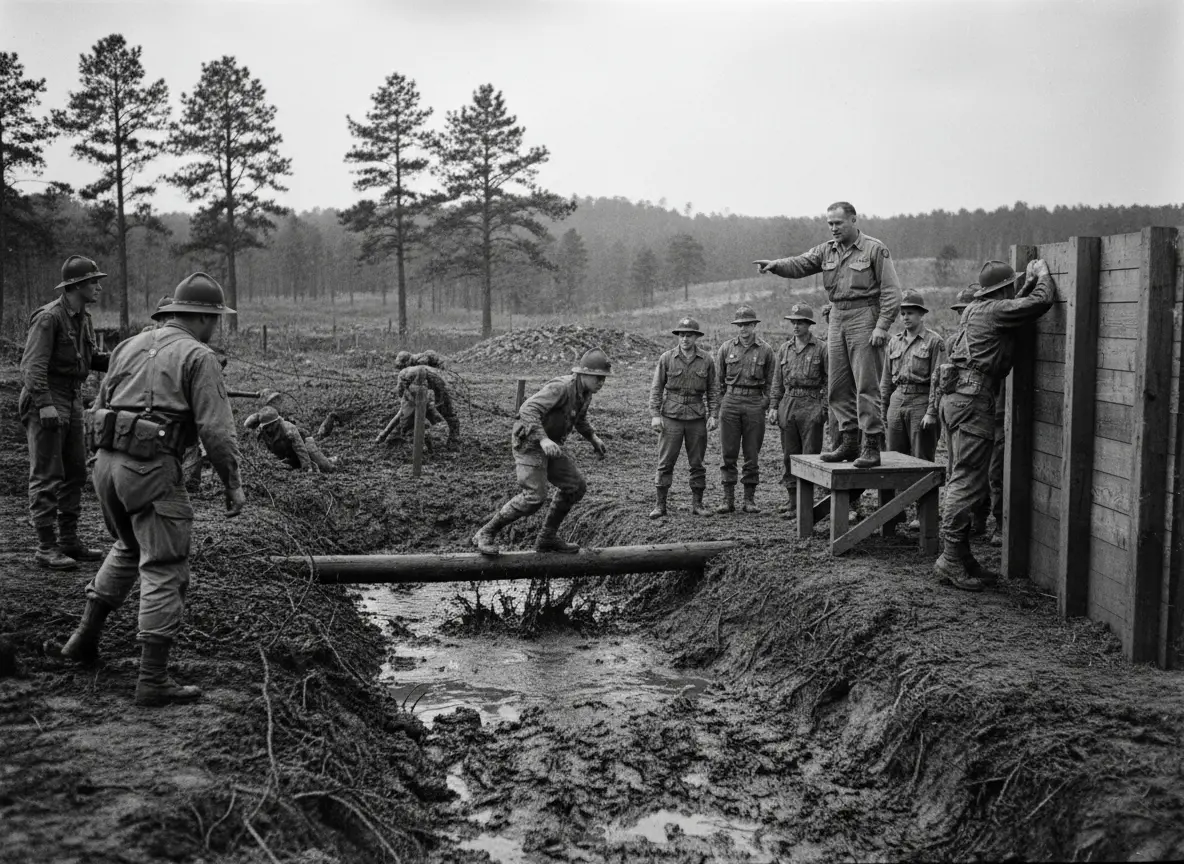
After WWII and Korea, the Army needed a way to keep the Ranger spirit alive. In 1950, the first official Ranger School opened at Fort Benning, Georgia. For the first time, Soldiers could train to the highest standards of small unit tactics, leadership, and endurance—no matter their MOS or background. Only those who finished the grueling course earned the right to wear the Ranger Tab.
- Ranger School: Not just about physical strength—students face exhaustion, hunger, and stress to prove they can lead under fire.
- The Tab: Still a badge of honor, but only those who pass the school can wear it in peacetime. In war, it’s earned in combat.
The Modern 75th Ranger Regiment
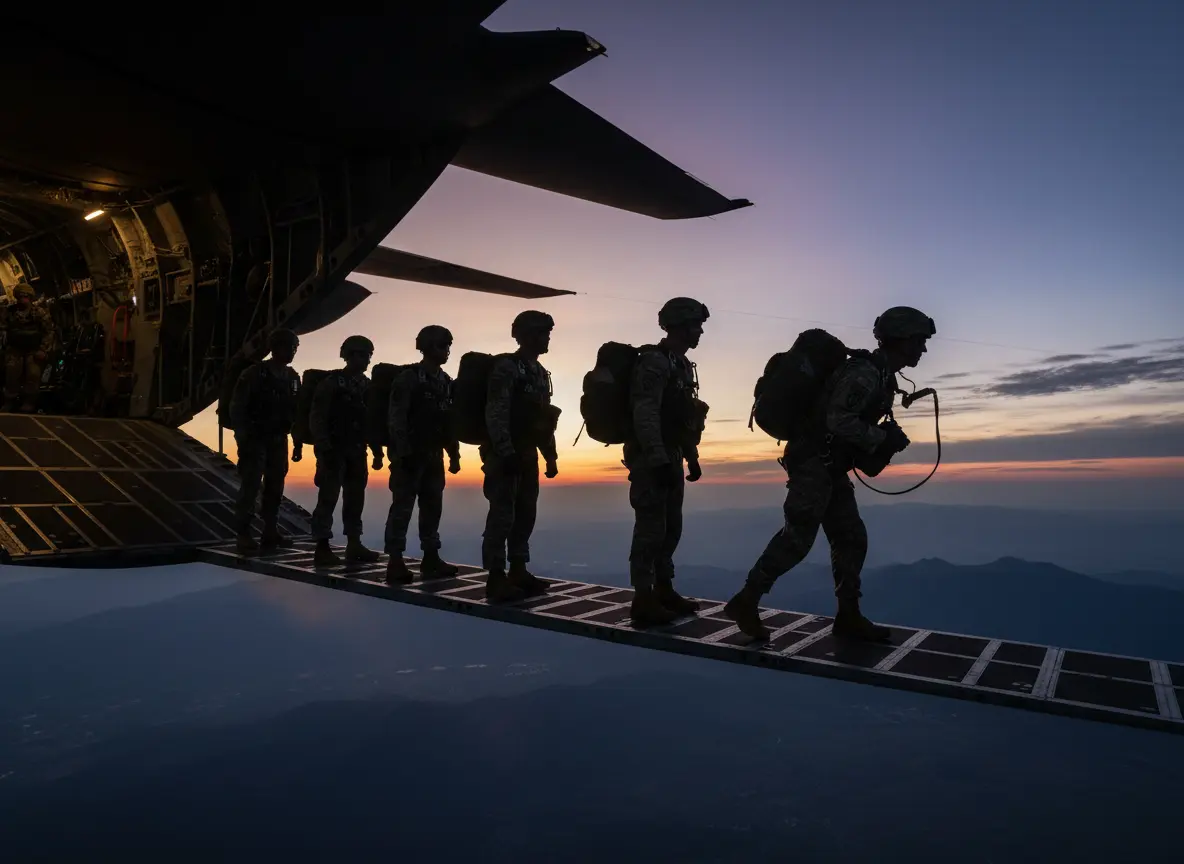
Today, the 75th Ranger Regiment is the Army’s premier light infantry strike force. Rangers deploy worldwide at a moment’s notice—conducting direct action raids, airfield seizures, reconnaissance, and counterterrorism missions. Every member is airborne qualified, and most are Ranger School graduates.
What makes them elite?
- Relentless training and discipline
- Highest standards for selection and leadership
- The Ranger Creed: “Never shall I fail my comrades…”
- Always out front—first in, last out
How the Mission Has Changed
From Rogers’ woodsmen to today’s high-speed operators, the Ranger mission has evolved:
- Frontier scouts became WWII raiders
- Combat-proven units became the 75th Ranger Regiment
- Field-earned recognition became the Ranger Tab and School
- Raids and reconnaissance now include counterterrorism and global rapid response
Why They’re the Dogs of War
Rangers are the Army’s shock troops—fearless, adaptable, and relentless. They’re called “dogs of war” for a reason: when America needs the impossible done, Rangers lead the way.
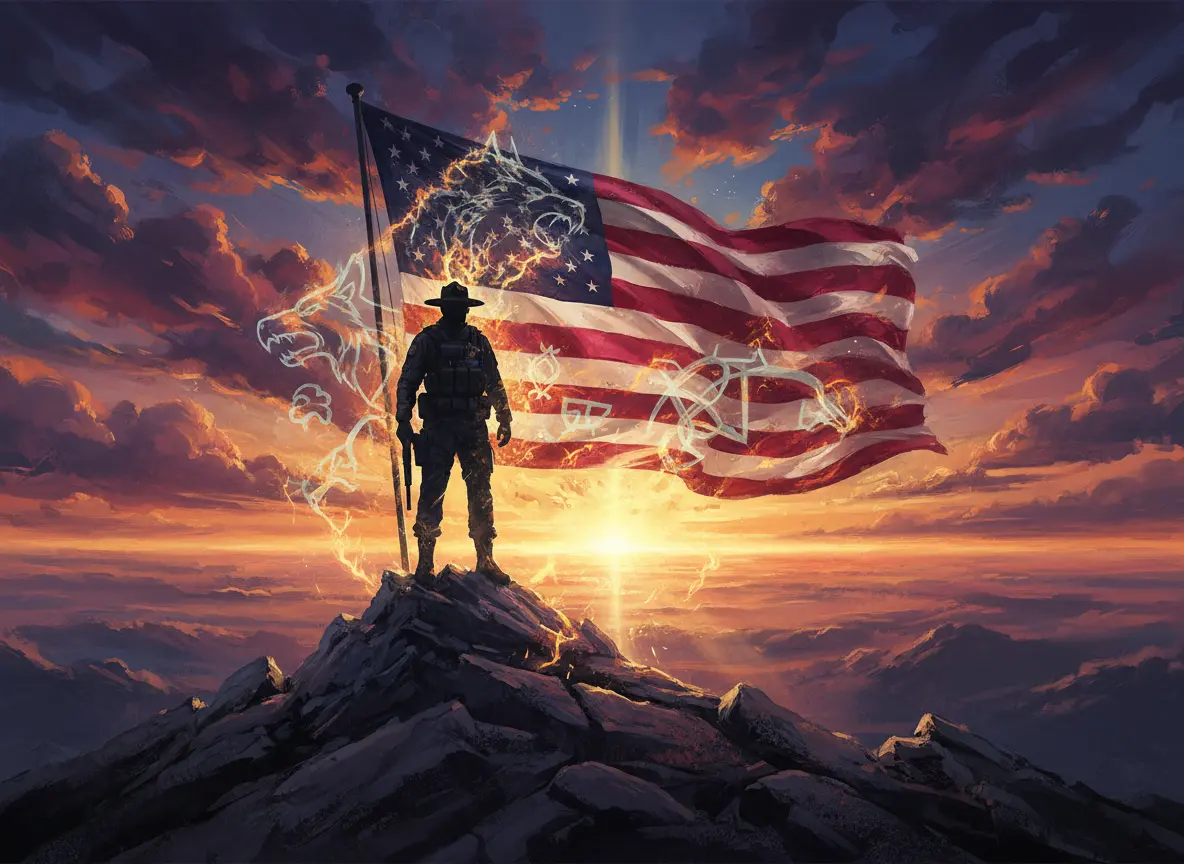
US Army Rangers: The Dogs of War