
George Washington gave one of the clearest warnings in American history in his Farewell Address. He urged Americans to protect national unity and resist the destructive pull of political faction. Washington understood that once citizens begin to see one another mainly through party loyalty, the nation itself begins to weaken. His warning matters today because modern politics often rewards outrage more than wisdom. His message reminds us that love of country must be greater than loyalty to a party, region, or ideology.
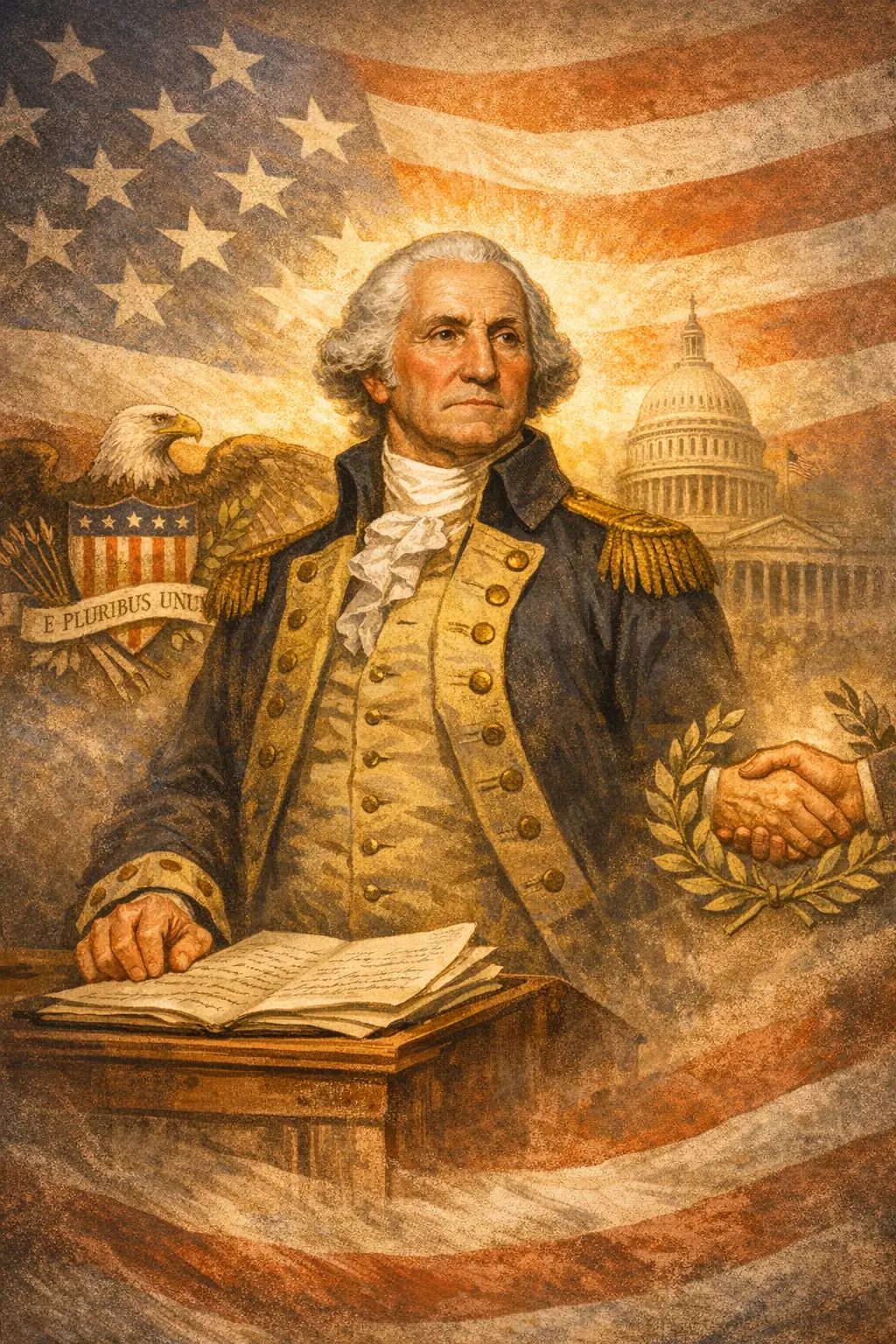
Thomas Jefferson offered a different but equally important voice. After the hard-fought election of 1800, he used his First Inaugural Address to calm the country with the famous line, “We are all Republicans, we are all Federalists.” Jefferson understood that elections create winners and losers, but a republic cannot survive if political opponents begin to see each other as enemies beyond repair. That lesson remains urgent today. Americans can disagree strongly and still remain one people. Jefferson’s words call us back to civil disagreement without national hatred.
James Madison, often called the Father of the Constitution, gave the country a realistic view of political conflict. In Federalist No. 10, he explained that factions are natural because people have different interests, beliefs, and ambitions. His solution was not to pretend those differences could be erased. Instead, he argued for a constitutional system strong enough to limit the damage factions can do. Madison’s wisdom still matters because it reminds us that freedom always includes disagreement. The goal is not forced uniformity. The goal is preserving liberty while preventing division from destroying the republic.
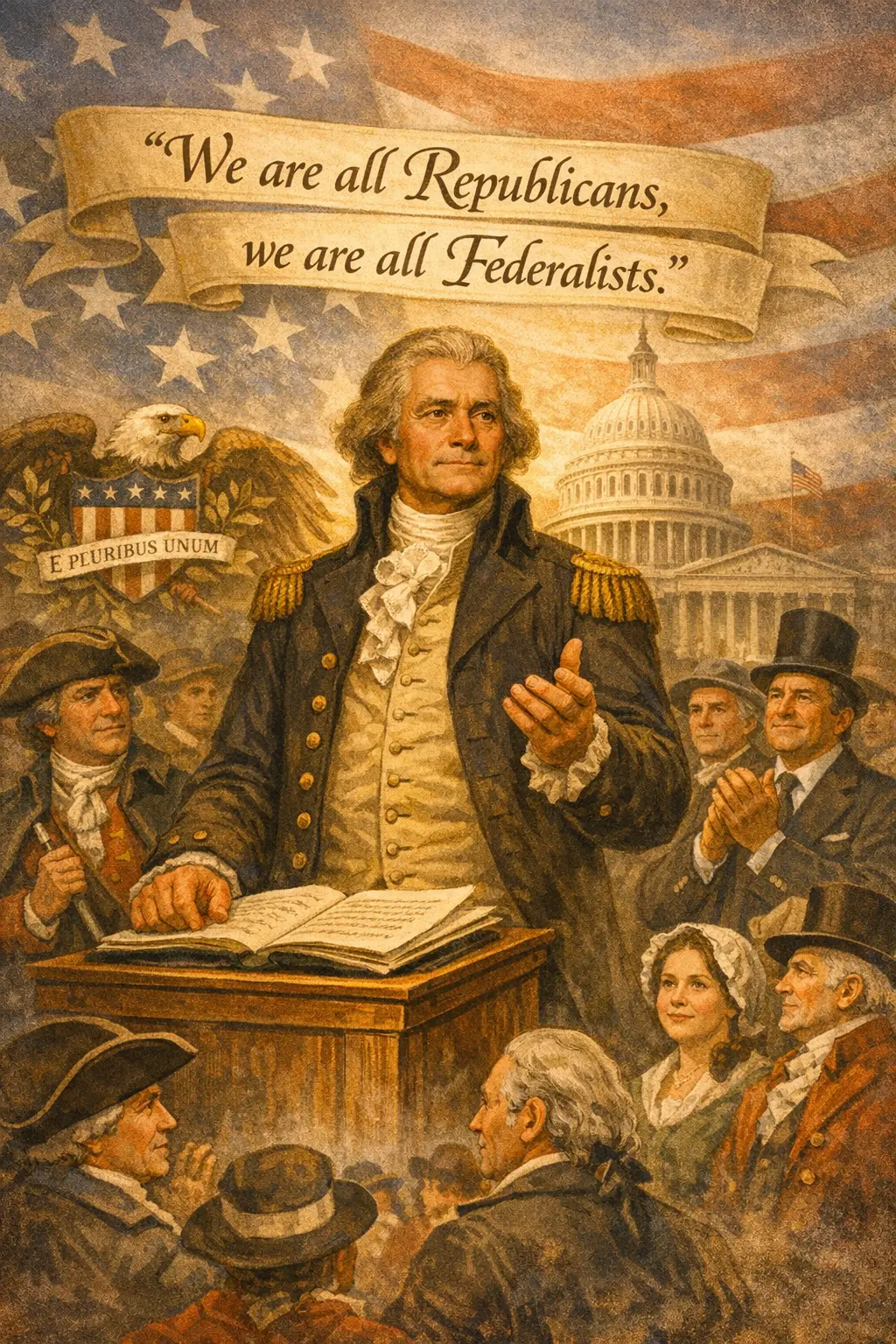
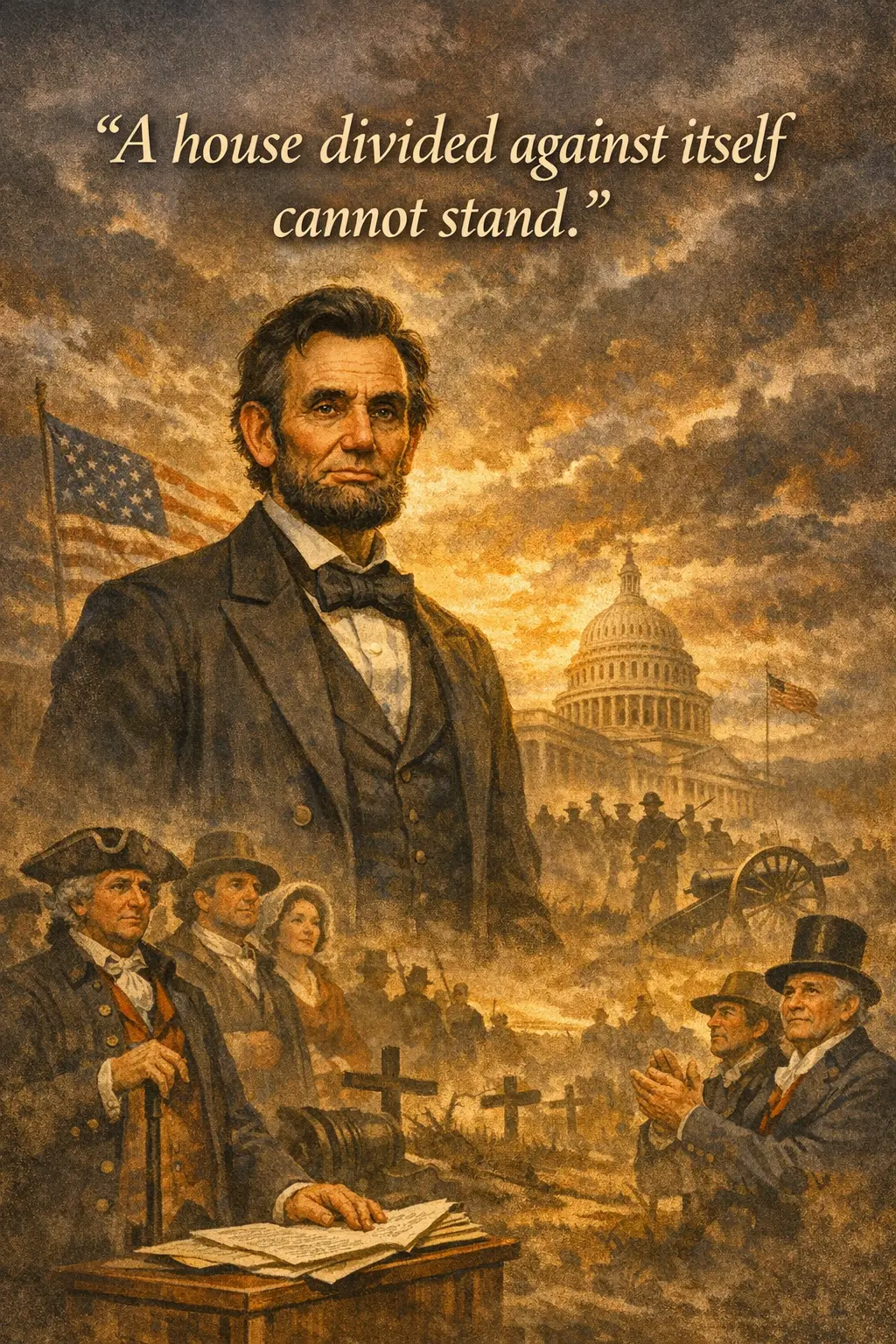
Abraham Lincoln spoke to the nation in one of its darkest hours. His words on unity, sacrifice, and national purpose still stand among the greatest in American history. Before becoming president, Lincoln warned that “A house divided against itself cannot stand.” Later, in his Gettysburg Address and Second Inaugural, he called Americans to remember that the nation was built on a proposition larger than politics alone. Lincoln’s voice still matters because he showed that unity is not shallow agreement. Real unity is often forged through hardship, truth, sacrifice, and a willingness to bind up wounds rather than deepen them.
Ronald Reagan carried many of these same themes into the modern era. In his 1964 speech A Time for Choosing, Reagan argued that America’s future was not simply a contest between right and left, but between freedom and decline. His famous line, “There is no such thing as a left or right. There is only an up or down,” challenged Americans to think in moral and civic terms, not just partisan ones. Reagan believed that a free people must remain confident, responsible, and willing to defend liberty. His words still resonate because Americans continue to debate the balance between freedom, government power, and personal responsibility.
America’s Leaders: Voices From the Past That Still Speak Today